Chandra X-ray Observatory Identifies Potential Black Hole Stars in Early Universe
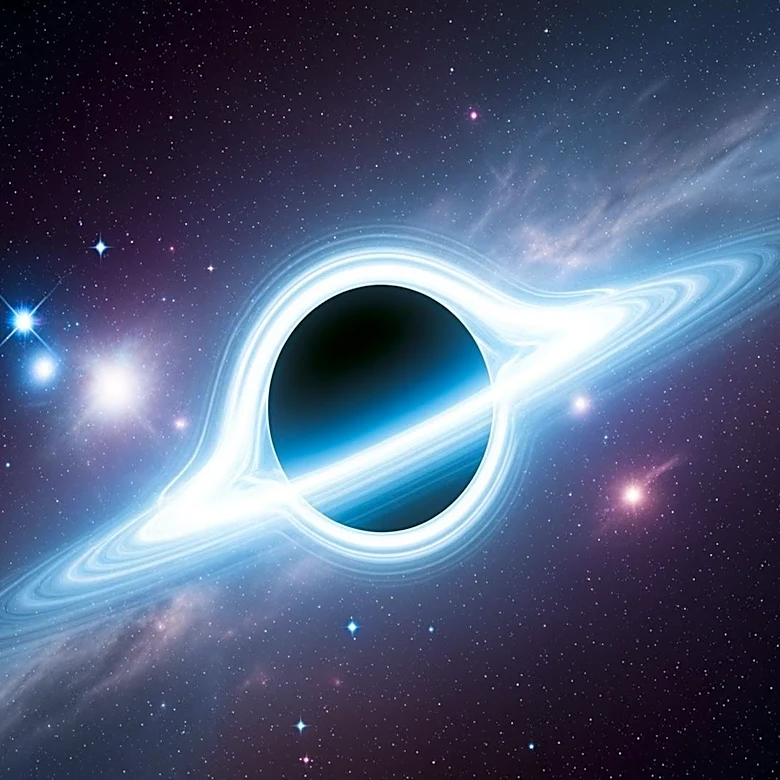
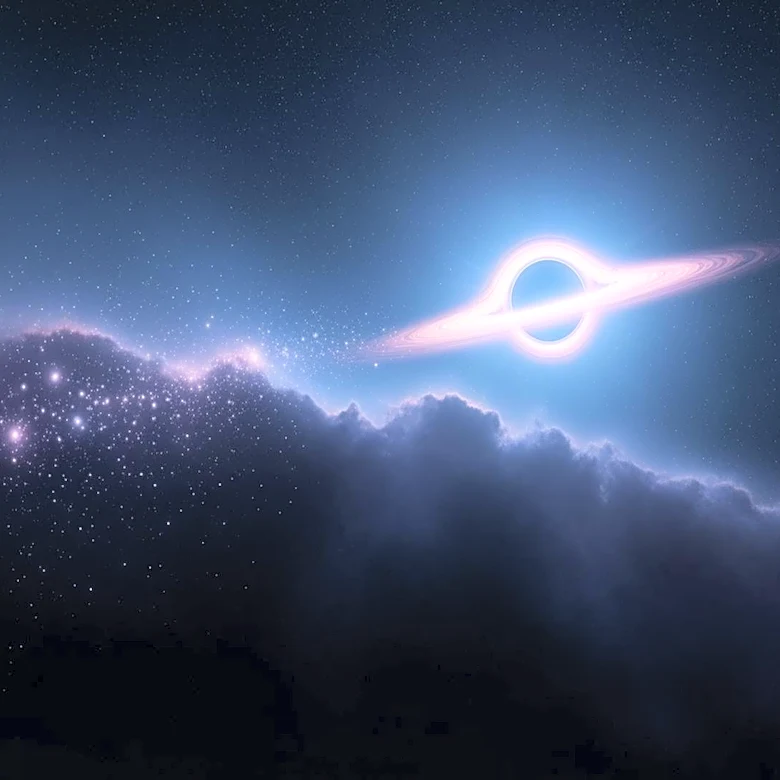
NASA's Chandra X-ray Observatory has detected an X-ray signal that aligns with one of the James Webb Space Telescope's (JWST) discoveries, known as 'little red dots' in the early universe. These dots are now believed to be massive gas clouds concealing growing supermassive black holes. This finding, reported in Space.com and detailed in The Astrophysical Journal Letters, marks the first time a 'little red dot' has been observed emitting X-rays. The X-ray emissions resemble those from quasars, suggesting these dots are not dim stellar populations but rather dense gas clouds around black holes. The 'black hole star' model suggests these dots are gas clouds, a few hundred light-years across, wrapped around a black hole. The heat from material spiraling into the black hole and jets of charged particles make the cloud glow, resembling a star. This discovery challenges the traditional 'bottom-up' model of black hole formation, which posits that stellar-mass black holes merge over time. Instead, it supports a 'to...