Moringa Plant Shows Promise in Removing Microplastics from Drinking Water
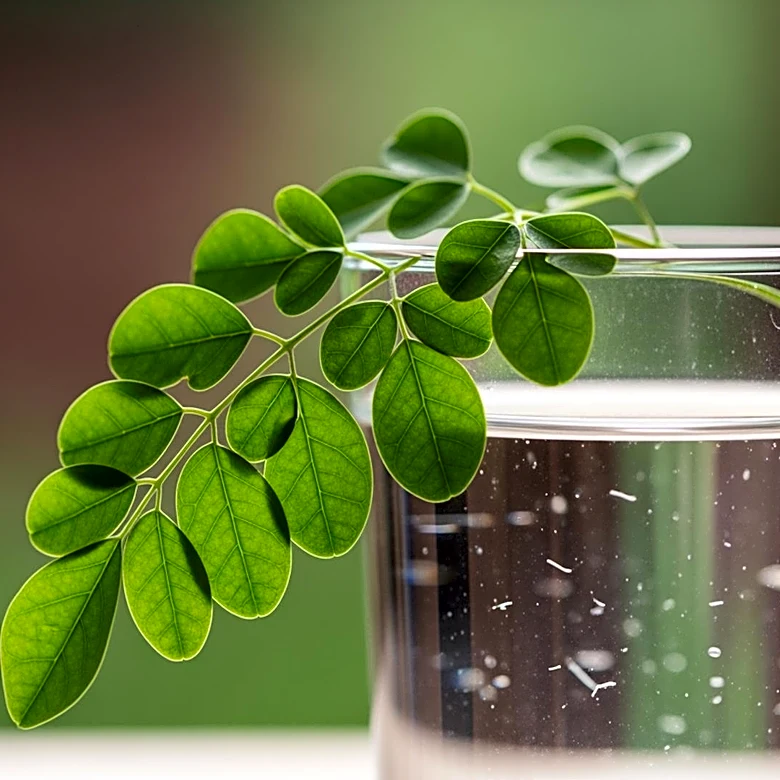
Researchers at the Institute of Science and Technology of São Paulo State University (ICT-UNESP) have discovered that Moringa oleifera, commonly known as moringa, could be effective in removing microplastics from water. The study, published in ACS Omega, highlights that the saline extract from moringa seeds performs similarly to aluminum sulfate, a chemical used in water treatment plants. The research, led by Adriano Gonçalves dos Reis, focused on in-line filtration, a method where water is treated with a coagulant and then passed through a sand filter. This process is particularly effective for water with low turbidity. The study found that moringa seed extract could neutralize the negative electrical charge of microplastics, allowing them to form larger clusters that are easier to filter out. The research team tested the method using polyvinyl chloride (PVC) microplastics, known for their harmful health effects, and found that moringa was as effective as traditional chemical treatments.