NASA's Hubble and James Webb Telescopes Uncover New Details of Trans-Neptunian Objects
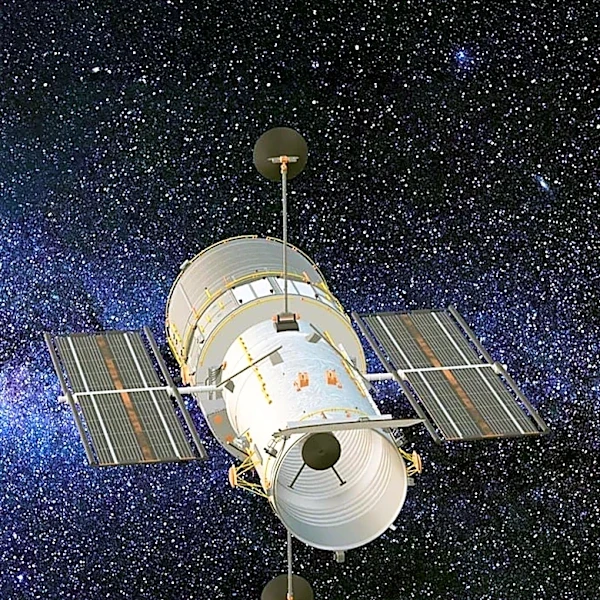
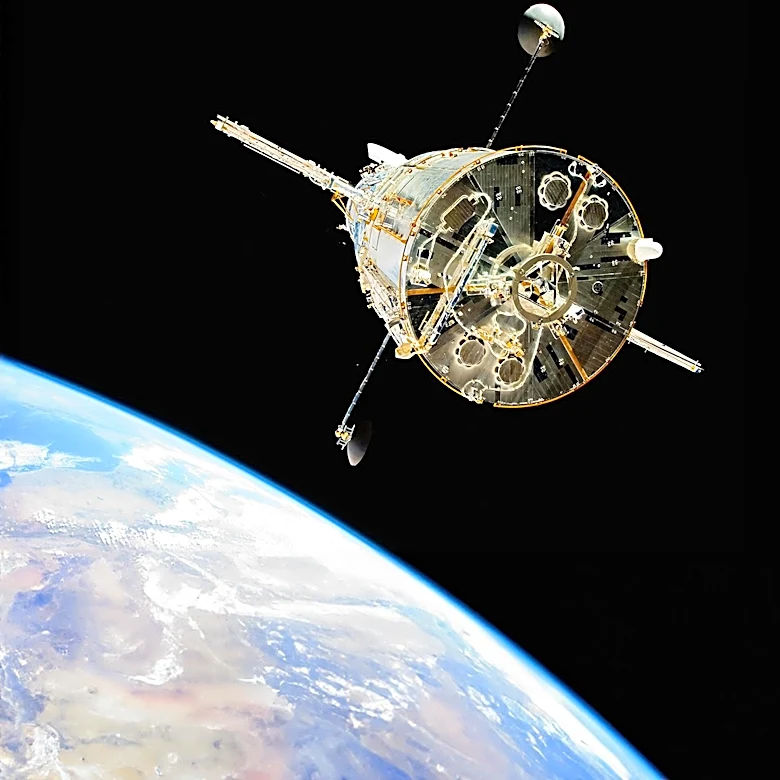
Scientists, utilizing the combined capabilities of NASA's Hubble and James Webb Space Telescopes, have conducted an unprecedented study of Trans-Neptunian Objects (TNOs) in the outer solar system. This research, detailed in two complementary papers published in The Astronomical Journal, focused on the color, composition, and size distribution of 27 newly discovered, faint TNOs. These objects, orbiting beyond Neptune, are typically small, icy bodies, many of which are over 100 million times dimmer than what is visible to the unaided eye. The study involved observing TNOs' visible light with Hubble and their infrared light with Webb, allowing researchers to measure their colors, sizes, and orbits. Unexpectedly, the teams found fewer small TNOs than anticipated and observed that the colors of these smaller bodies mirrored those of their larger counterparts. This suggests that collisions may not be significantly altering their surface compositions, or that TNOs are retaining their primordial compositions.