Amtrak's Northeast Corridor Remains Vital Artery Amidst Broader Network Challenges
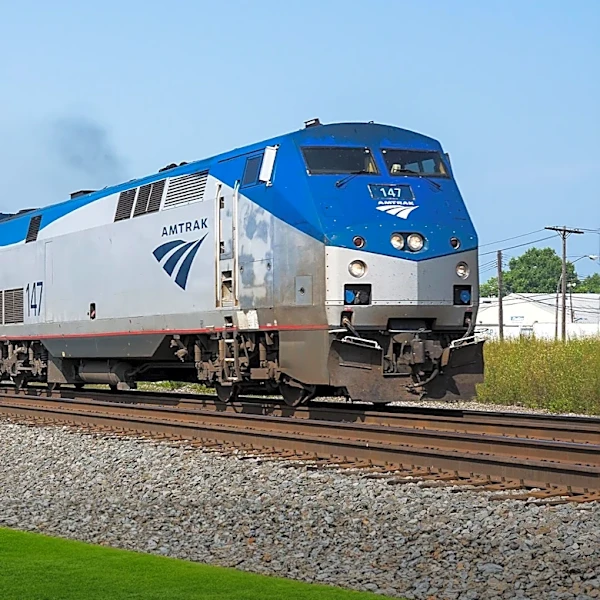
Amtrak's Northeast Corridor (NEC), stretching 457 miles from Boston to Washington D.C., continues to be the most heavily trafficked and vital artery of the U.S. passenger rail system. This electrified line transports over 20 million passengers annually, connecting major metropolitan areas such as New York, Washington, Philadelphia, and Baltimore. The NEC operates as a shared infrastructure, accommodating high-speed Acela trains, regional services, and freight trains. Its success is attributed to dedicated tracks and modern signaling, setting a benchmark for American rail. However, the broader Amtrak network faces significant challenges, including an aging infrastructure, reliance on tracks owned by freight railroads, and persistent funding issues. While the NEC generates revenue, many long-distance and regional routes operate at a loss, depending on federal and state subsidies. The physical condition of infrastructure outside the NEC often leads to limited speeds and frequent delays.