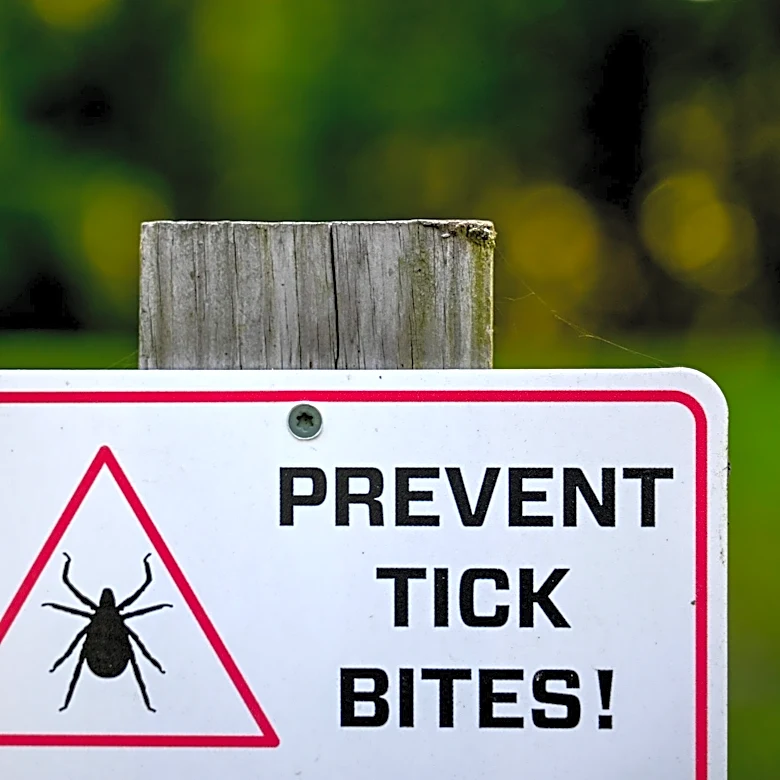
Michigan Homeowners Face Increased Tick Activity and Lyme Disease Risk
Homeowners in Michigan are experiencing heightened tick activity, particularly with blacklegged ticks, also known as deer ticks, which are vectors for Lyme disease. Ticks are not capable of flying or jumping; instead, they wait on vegetation and attach to hosts as they pass by. The tick life cycle involves egg, larva, nymph, and adult stages, all requiring a blood meal to develop, with various animals, pets, and humans serving as hosts. Ticks are more prevalent in sheltered, moist areas such as leaf litter, tall grass, wooded borders, fence lines, and wood piles, rather than uniformly across a property. Even well-maintained yards can harbor ticks in specific, less obvious locations like behind sheds or along dog paths. The Centers for Disease Control and Prevention (CDC) estimates that approximately 476,000 people in the U.S. are diagnosed and treated for Lyme disease annually, highlighting the significance of tick-borne illnesses. Symptoms of early Lyme disease can include fever, headache, fatigue, muscle...