Urbanization Leads to Sprawl and Planning Challenges in U.S. Cities
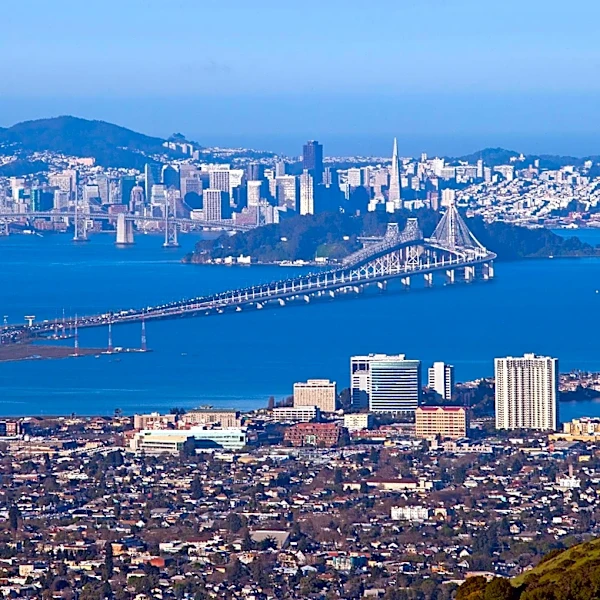
Urbanization in the U.S. is characterized by an increasing concentration of people in cities, which often results in urban sprawl. This sprawl involves the expansion of low-density suburbs and businesses into areas outside city limits. This outward growth is largely facilitated by extensive road and transport networks, enabling residents to live further from urban centers while still accessing jobs and services within the city. While urban sprawl can increase housing availability and provide more living space for residents, it also introduces significant planning complexities. These challenges include the necessity of extending infrastructure over larger geographical areas, which can exacerbate issues such as traffic congestion, increased fuel consumption, and elevated air pollution levels. The phenomenon of urbanization also contributes to the formation of megacities, defined as metropolitan areas with populations exceeding 10 million, and megaregions, which are interconnected by transportation, commuting...