Simulation Reveals Black Hole Jets in Centaurus A Glow Brightest at Edges Due to Electron Movement
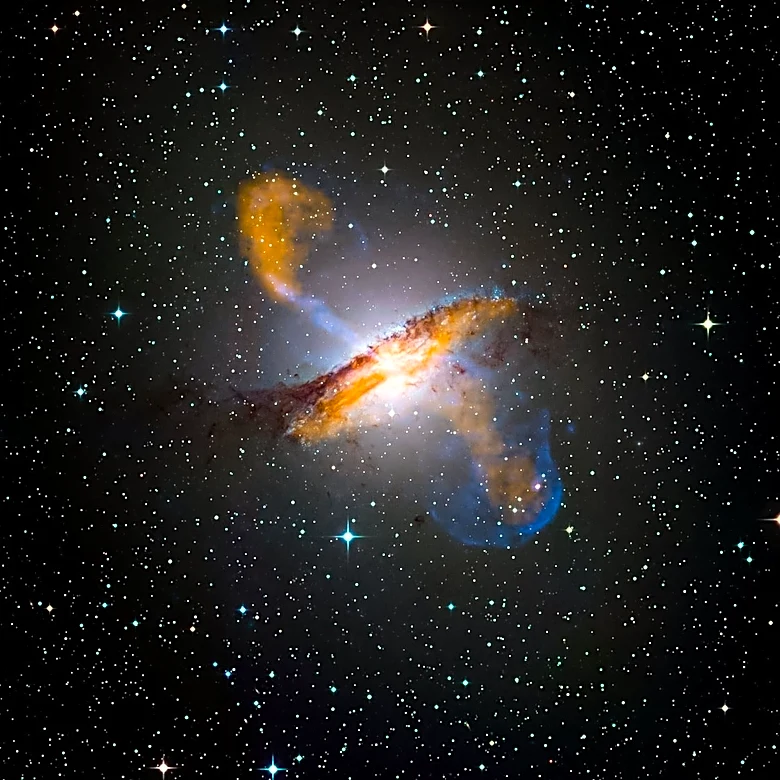
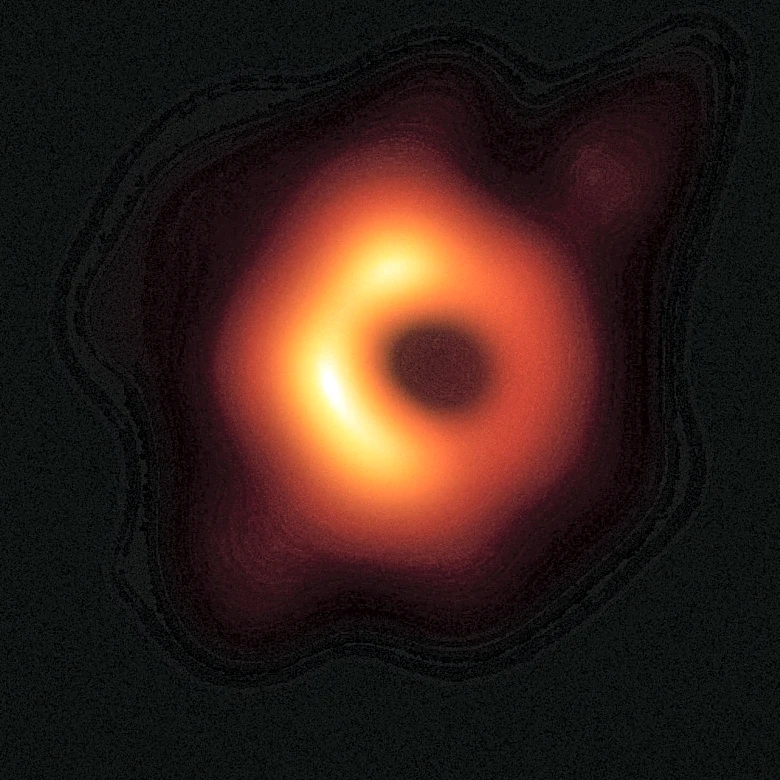
Astronomers at the University of Würzburg have utilized a computer simulation to replicate the appearance of the black hole jet in the nearby galaxy Centaurus A, as observed by the Event Horizon Telescope. The simulation, detailed in a study published in Astronomy & Astrophysics, indicates that the jet's edges glow more brightly than its center. This phenomenon, known as edge brightening or limb brightening, is attributed to electrons predominantly moving along magnetic field lines rather than in all directions. Centaurus A, located approximately 12 million light-years from Earth, hosts the closest radio galaxy to our planet. The Event Horizon Telescope, a global network of radio dishes, captured an image of its jet base in 2021, which showed emission concentrated along the outer edges. The new model fits a physical explanation to this observation, suggesting that electrons in the dilute, strongly magnetized central spine of the jet lose energy faster, and those moving along magnetic field lines radiate le...