Brain-Eating Amoebas Detected in U.S. National Parks, Study Finds
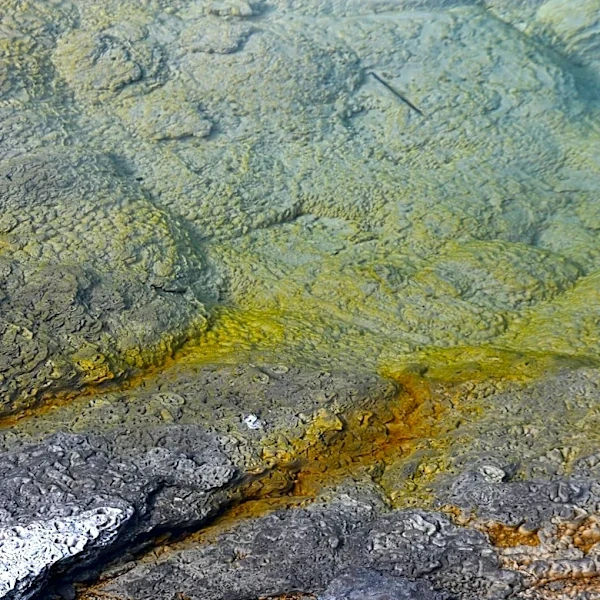
A recent study conducted by researchers from the U.S. Geological Survey and Montana State University has revealed the presence of Naegleria fowleri, commonly known as brain-eating amoebas, in several U.S. national parks. These microorganisms, which thrive in warm freshwater environments, were detected in thermal zones at Yellowstone National Park, Grand Teton National Park, and Lake Mead National Recreation Area. The study, published in ACS Publications, analyzed 185 water samples collected between 2016 and 2024 from 40 sites across five national parks. Alarmingly, 34% of the samples tested positive for the amoeba, with some locations, such as Lewis Hot Springs in Yellowstone and Polecat Hot Springs in Grand Teton, showing the presence of the parasite for the first time. Naegleria fowleri can cause primary amebic meningoencephalitis, a rare but nearly always fatal brain infection, when water containing the amoeba enters the nose.