Archaeologists Discover Unique Christian Artifact Near Sea of Galilee, Offering New Insights into Baptism Practices
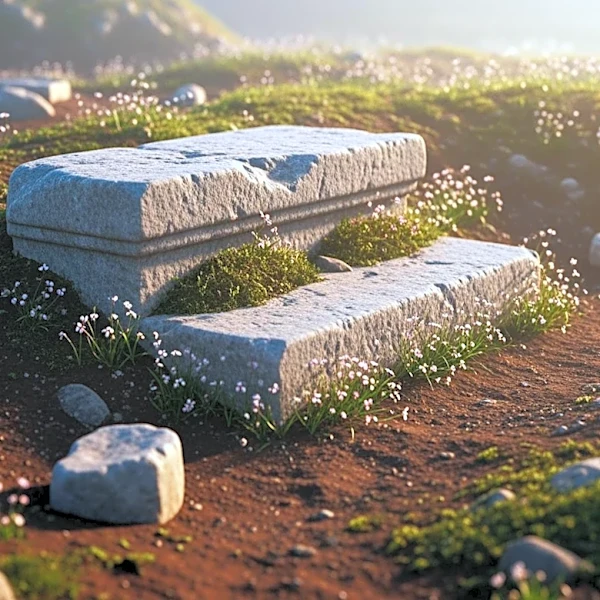
Archaeologists have uncovered a 1,400-year-old artifact in the ancient city of Hippos, near the Sea of Galilee, which may provide new insights into early Christian baptism practices. The artifact, a weathered marble block with three bowl-shaped basins, was found in a hall of baptism known as a photisterion. This discovery is significant because early Christian baptisms typically involved two anointings, making the three-part design of the artifact unusual. The city of Hippos, a prominent bishop's seat during the Byzantine era, was the only Christian city around the Sea of Galilee, controlling territory associated with Jesus' ministry. The artifact was preserved under rubble from an earthquake in 749 A.D. and is believed to have been used in a threefold baptismal immersion ceremony. Scholars have concluded that no known parallels to this artifact exist, indicating its potential to provide insights into the development of baptism rituals in the early Christian world.