RIKEN, IBM, and Cleveland Clinic Achieve Quantum Chemistry Simulation of 12,635-Atom System
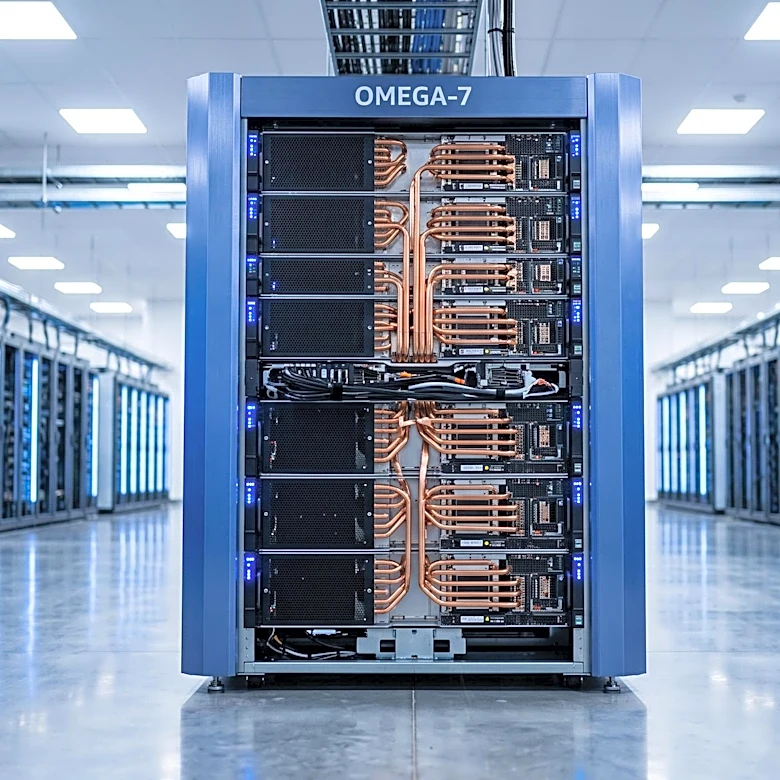
Researchers from RIKEN, IBM, and Cleveland Clinic have successfully completed the most resource-intensive heterogeneous quantum-classical (HQC) computation for quantum chemistry to date. This groundbreaking work involved simulating a 12,635-atom system, a significant leap in complexity for molecular simulations. The workflow decomposed molecules into fragments, utilizing up to 94 qubits on IBM's ibm_cleveland and ibm_kobe quantum processors. Over 239 hours, the team ran 21,006 circuits and collected 3.0 x 10^9 measurement outcomes. This achievement represents a greater than 40-fold increase in system size and up to a 210-fold improvement in accuracy compared to previous methods, with HQC results matching coupled-cluster (CCSD) accuracy in fragment energies. The simulation of two protein-ligand complexes, containing 11,608 and 12,635 atoms respectively, marks a new scale for HQC calculations. Supercomputers Fugaku, Miyabi-G, and ROQUO were also employed, achieving 72.5% parallel efficiency in computing frag...