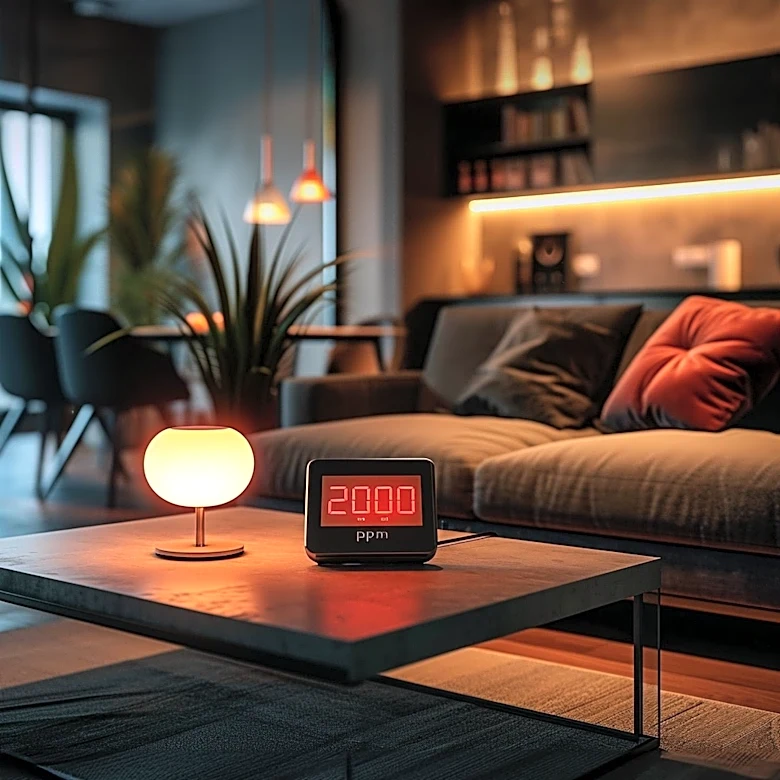
Indoor Air Quality Management Emphasizes Source Reduction, Ventilation, and Filtration
Indoor air quality (IAQ) is a significant concern for residential buildings, particularly during winter months when ventilation is often reduced. Key pollutants include formaldehyde, airborne particles from cooking, and gases from heating appliances. The U.S. Environmental Protection Agency (EPA) advocates for a three-pronged approach to IAQ management: controlling pollution sources, improving ventilation with cleaner outdoor air, and utilizing air filtration when appropriate. During winter, homes tend to have less fresh air circulation due to closed windows, allowing pollutants from daily activities like cooking, cleaning, and burning candles to accumulate. Heating systems can also recirculate indoor air, further trapping contaminants. Additionally, winter conditions can lead to fluctuating humidity levels, with some areas becoming excessively dry and others experiencing condensation, both of which can impact IAQ. Effective IAQ monitoring involves sensors for temperature, humidity, carbon dioxide (CO2), a...