Hannover Medical School Develops Bioreactor for Efficient Macrophage Production
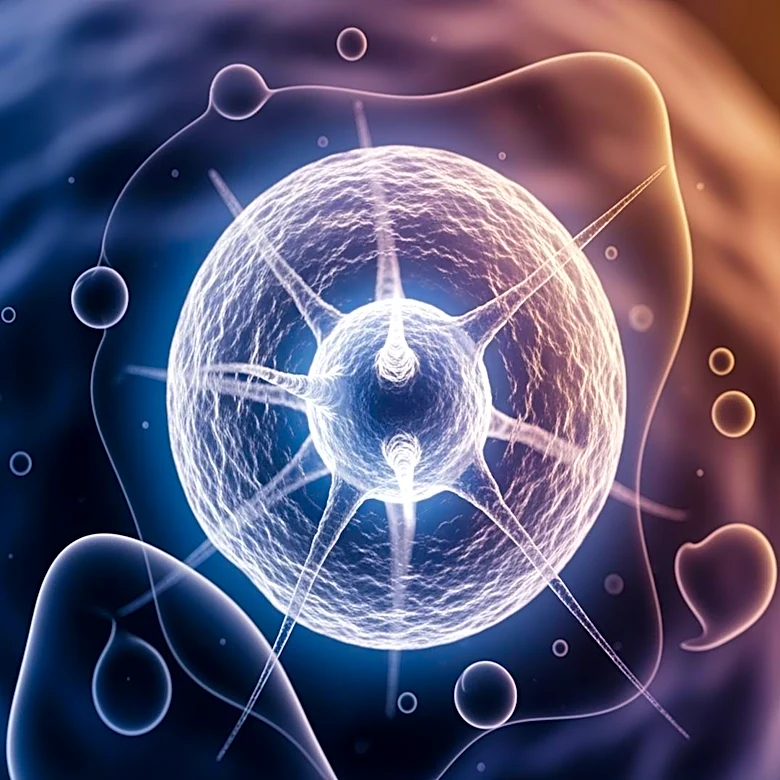
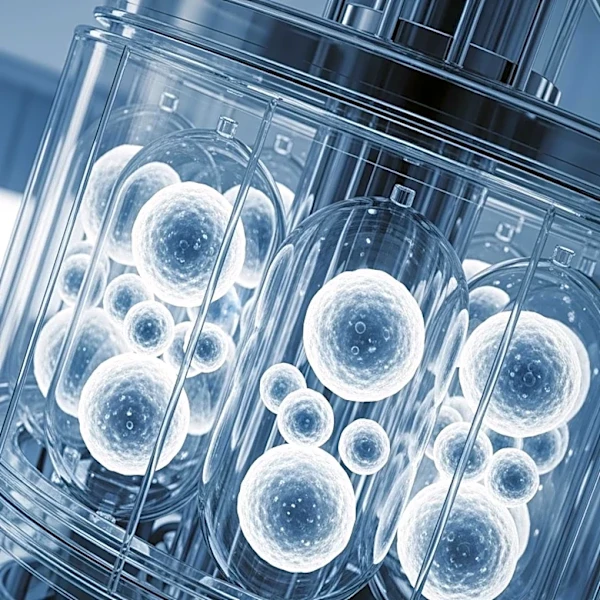
Researchers at Hannover Medical School (MHH) have developed a new method for producing human immune cells, specifically macrophages, using medium-sized bioreactors. This advancement allows for the efficient production of macrophages from induced pluripotent stem cells (iPS cells), which are reprogrammed somatic cells capable of developing into any cell type. The method, published in Nature Protocols, enables the production of up to 40 million macrophages per week over a ten-week period. Macrophages play a crucial role in the immune system, defending against pathogens and repairing damaged tissue. They are already used in clinical therapies for liver diseases and are being explored for treating infectious diseases, inflammation, fibrosis, cancer, and neurodegenerative diseases like Alzheimer's. The new bioreactors are efficient, cost-effective, and easy to handle, making them suitable for preclinical research projects.