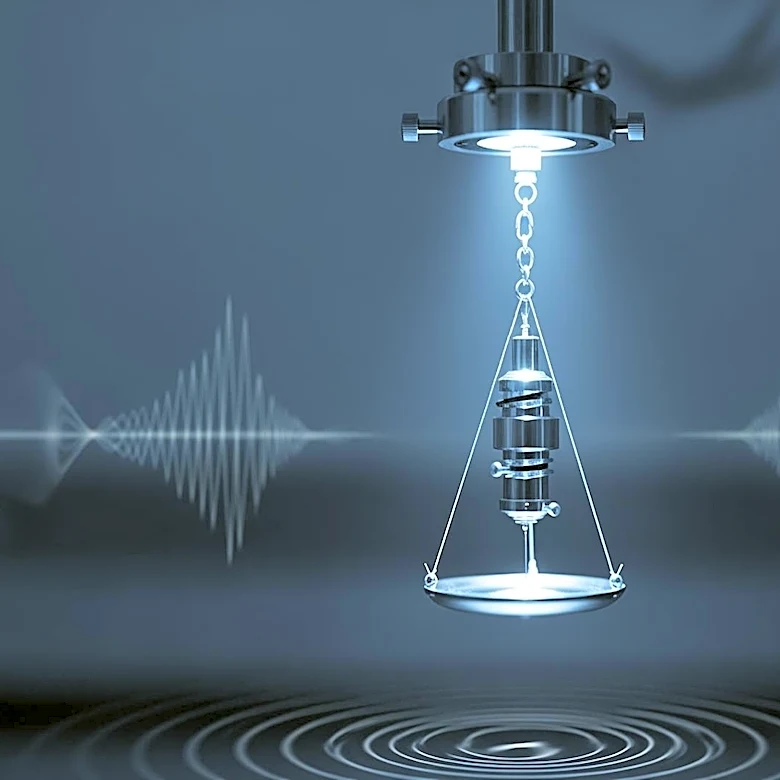
NIST Physicists Tackle Gravitational Constant Mystery with Precision Experiment
Physicists at the National Institute of Standards and Technology (NIST) have conducted a decade-long experiment to measure the universal gravitational constant, known as 'big G'. This constant is crucial for understanding the strength of gravity across the universe. Despite its importance, 'big G' is notoriously difficult to measure accurately, and its value remains the least well-known among the four fundamental forces of nature. The NIST team, led by physicist Stephan Schlamminger, replicated a precision experiment originally conducted by the International Bureau of Weights and Measures (BIPM) in France. Using a torsion balance, the team measured the gravitational attraction between small masses, a method dating back to Henry Cavendish's 1798 experiment. The NIST experiment aimed to resolve discrepancies in previous measurements of 'big G', which have varied slightly but significantly enough to raise questions about potential experimental errors or fundamental misunderstandings of gravity.