Rangeland Seeding and Biomass Initiatives Boost Soil Health and Forage Diversity
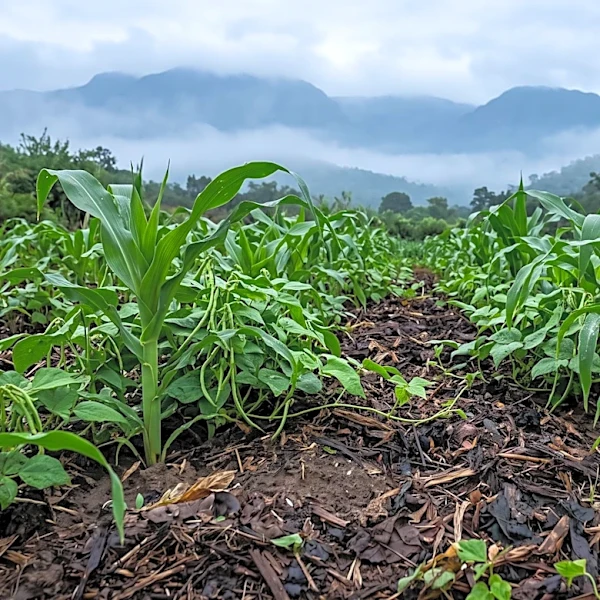
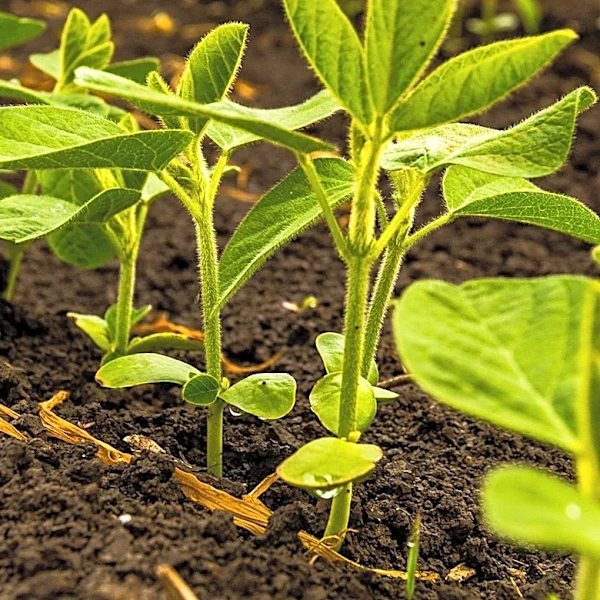
Rangeland seeding initiatives are actively restoring degraded land and enhancing forage availability for livestock by utilizing perennial or self-sustaining plants. These plants, which include grasses, forbs, legumes, shrubs, and trees, are carefully selected to match local soil, climate, and animal nutritional needs. The practice focuses on deep-rooted species that improve soil health by building organic matter, increasing nutrient availability, and enhancing water infiltration. Research, such as that from the Jena Experiment, indicates that higher plant diversity significantly increases carbon and nitrogen storage in topsoil, with these benefits becoming more pronounced over time. Mentor farmers, including those at Paicines Ranch, Wild Oat Hollow, and Big Bluff Ranch, are demonstrating these regenerative practices, showcasing tools for building forage diversity and improving soil health.