Western U.S. Reservoirs Face Increasing 'Dead Pool' Risk, Threatening Water Supply and Power Generation
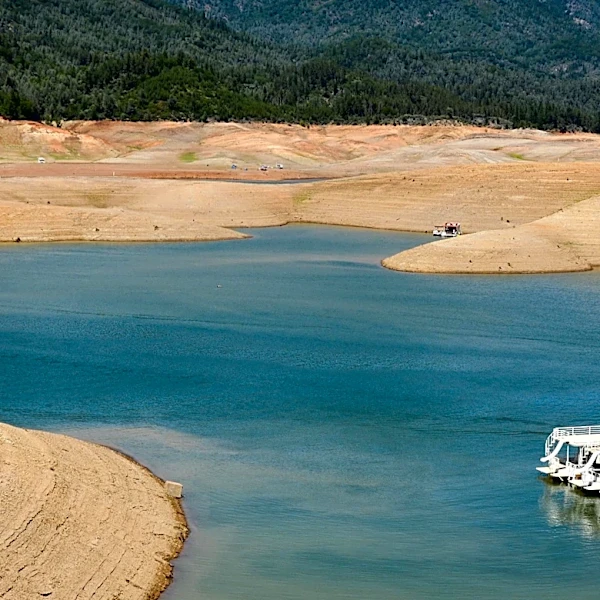
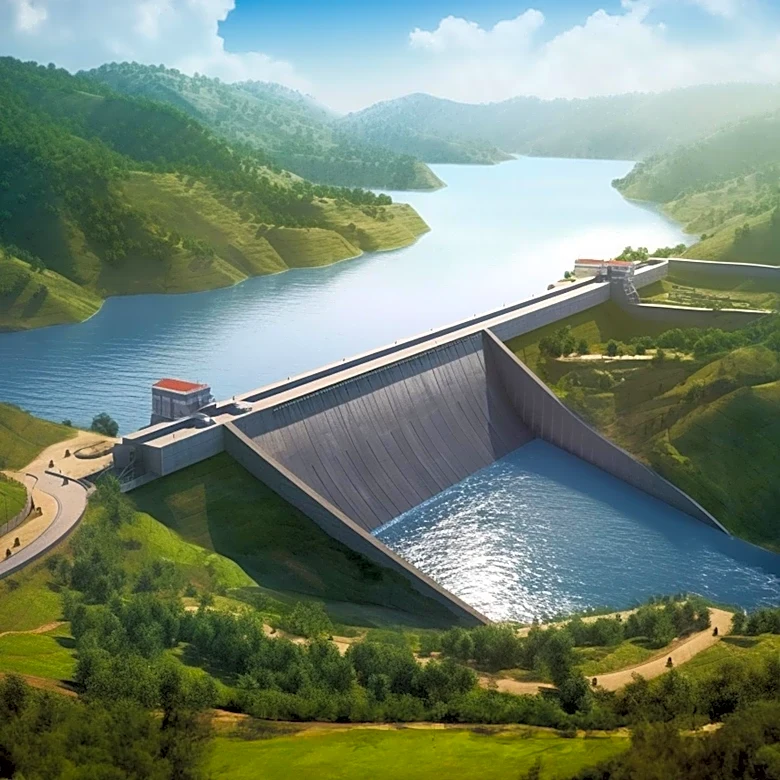
Reservoirs in the western United States, particularly Lake Mead and Lake Powell, are facing an increasing risk of reaching 'dead pool' status. Dead pool occurs when the water level in a reservoir falls below the dam's lowest controllable outlet, meaning water can no longer be released downstream through normal operations. This does not imply the reservoir is empty; it can still contain billions of gallons of water but becomes largely ineffective for its intended functions. For hydroelectric dams, power generation can cease even before dead pool is reached, at what is termed the 'minimum power pool,' due to insufficient hydraulic pressure. Lake Mead's estimated dead-pool elevation is 895 feet above sea level, with its minimum power pool at 950 feet. Lake Powell faces similar challenges, with its minimum power pool at 3,490 feet and dead pool near 3,370 feet. Both reservoirs have experienced significant declines over the past 25 years, with their combined storage in 2026 falling to its lowest point since bef...