First Nuclear Explosion Yields 'Impossible' Crystal, Offering New Insights into Extreme Conditions
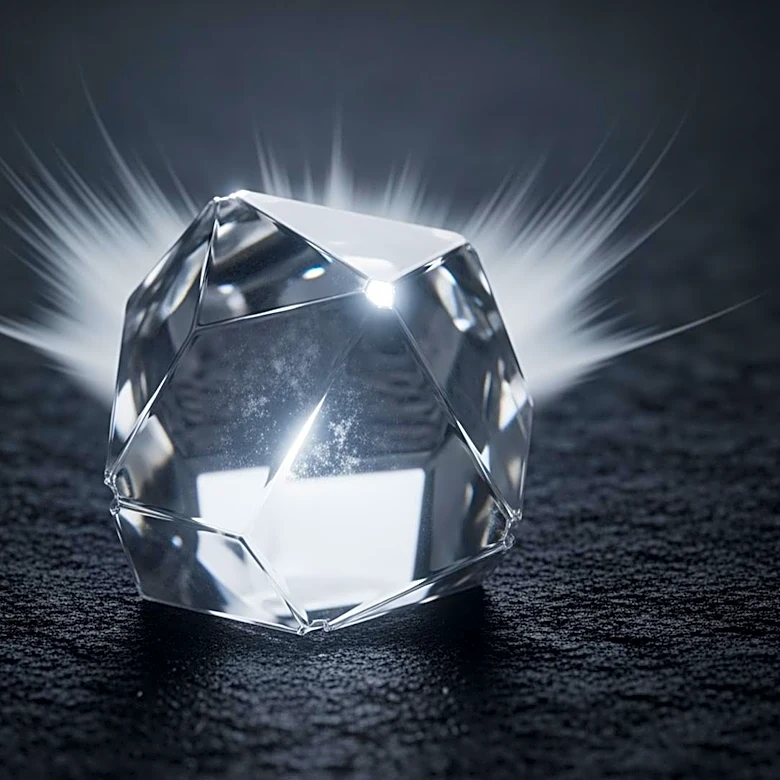
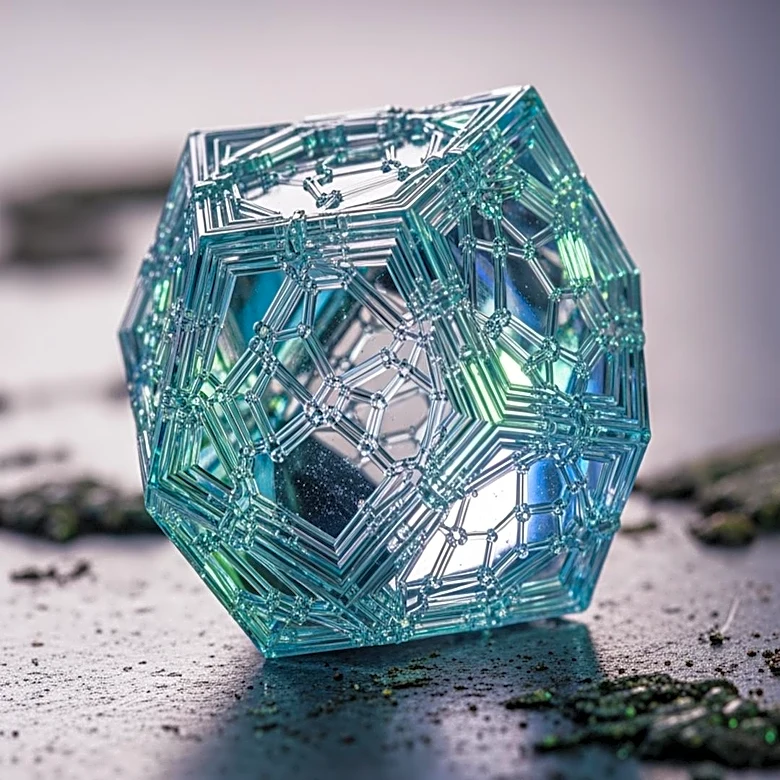
Scientists have discovered a previously unknown calcium copper silicate type-I clathrate crystal within trinitite, a material formed during the first nuclear bomb test, the Trinity test, in 1945. This crystal, found in the New Mexico desert, was created under extreme conditions of high temperature and pressure during the explosion. The clathrate's unique cagelike structure, which traps other atoms inside, was identified using X-ray diffraction. This discovery highlights the ability of nuclear detonations to produce solid-state phases that are otherwise inaccessible through conventional synthesis, providing a new avenue for understanding the effects of nuclear testing.