Lunar Craters May Hold Key to Water-Ice for Future Astronauts
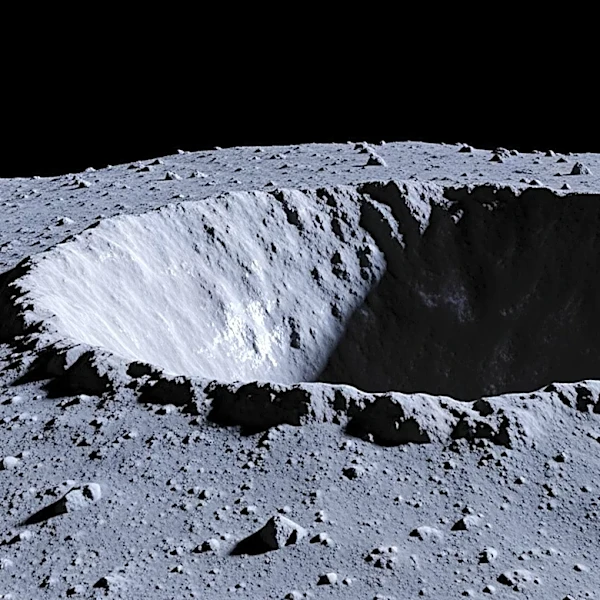
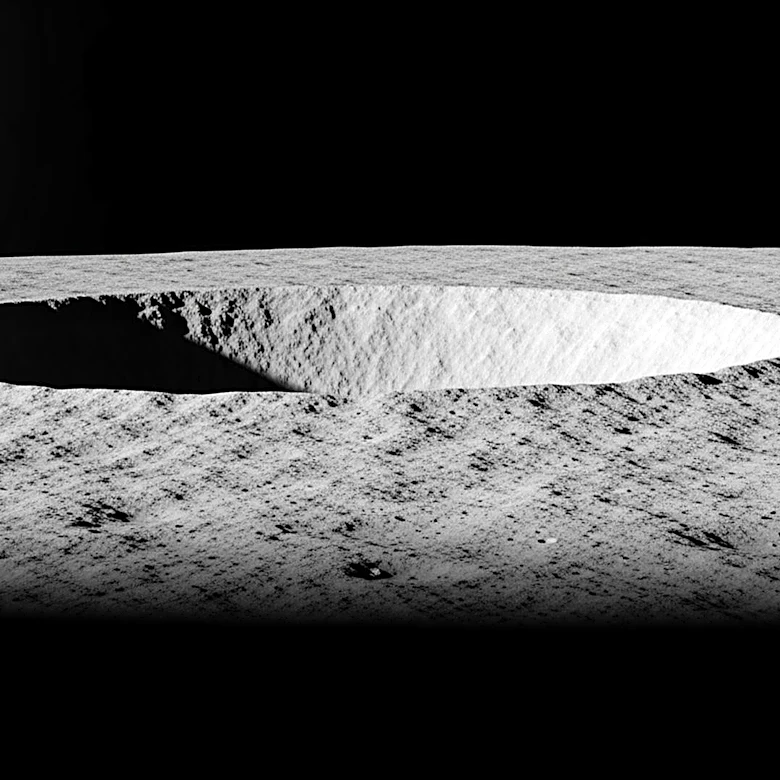
Recent research suggests that the moon's oldest and darkest craters, particularly those at the lunar south pole, may contain significant amounts of water-ice. This discovery is based on data from NASA's Lunar Reconnaissance Orbiter and other missions, which indicate that water-ice is not uniformly distributed across these craters. The study, led by planetary scientists including Paul Hayne, Oded Aharonson, and Norbert Schörghofer, proposes that the water-ice likely accumulated gradually over billions of years rather than from a single cometary impact. The presence of water-ice is crucial for future lunar missions, as it can be used for drinking, rocket fuel, and breathable air.