Fossil Discovery in China Suggests Complex Life Evolved Earlier Than Previously Thought
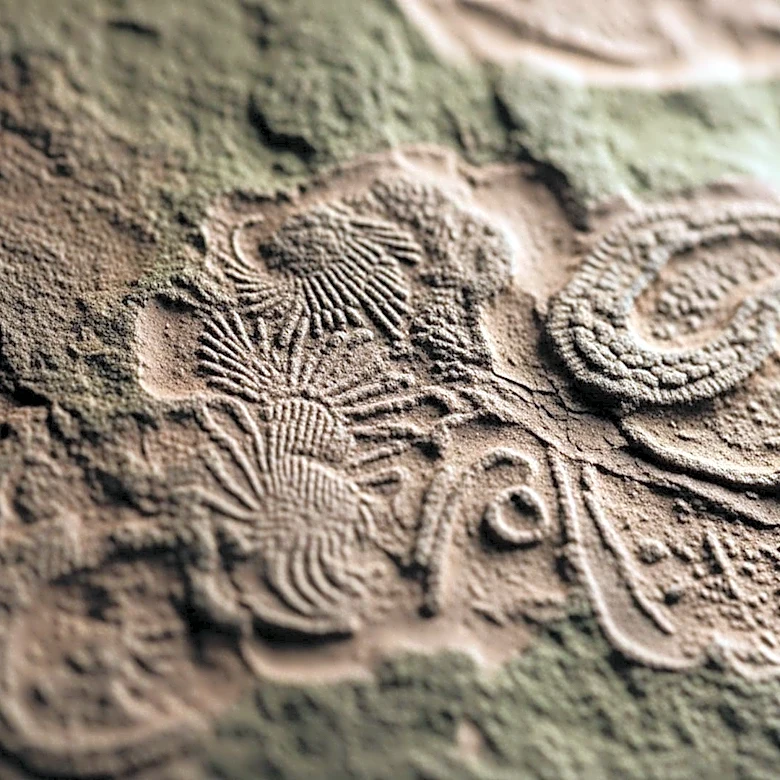
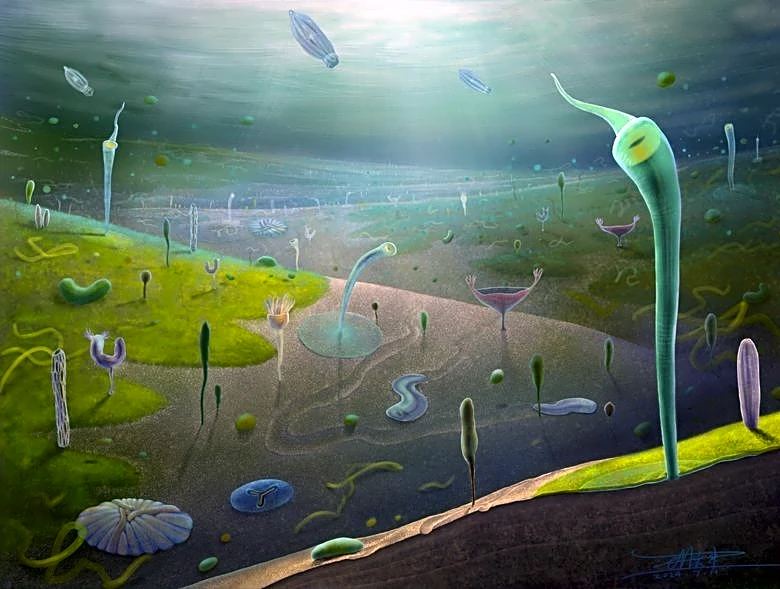
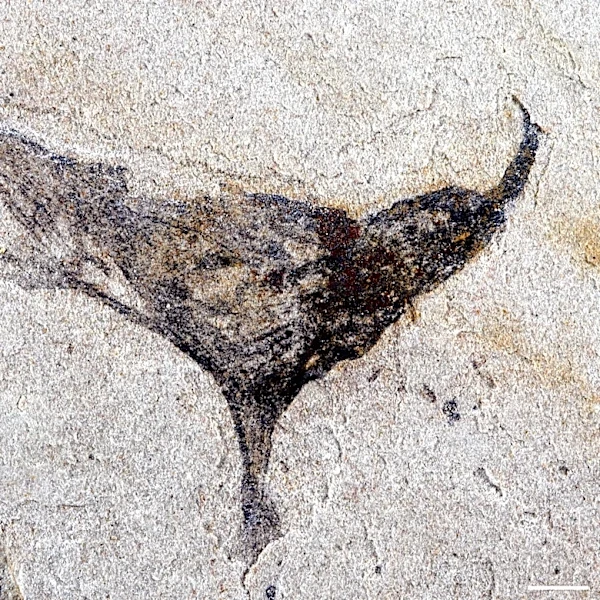
Researchers have uncovered a significant fossil trove at the Jiangchuan Biota site in China's Yunnan province, revealing that complex animal life may have existed millions of years earlier than previously believed. The site, measuring 518 square feet, yielded approximately 700 fossils, with about 200 representing animals. These fossils, dating back to the Ediacaran period (635 million to 542 million years ago), suggest that complex animals, possibly ancestors of all vertebrates, were present at least 4 million years before the Cambrian period, which was previously thought to be the dawn of complex life. The fossils include a variety of organisms, such as goblet-shaped sea jelly relatives and wormlike animals with holdfast discs, preserved in exquisite detail.