Strait of Hormuz Closure Raises Global Bioinvasion Concerns
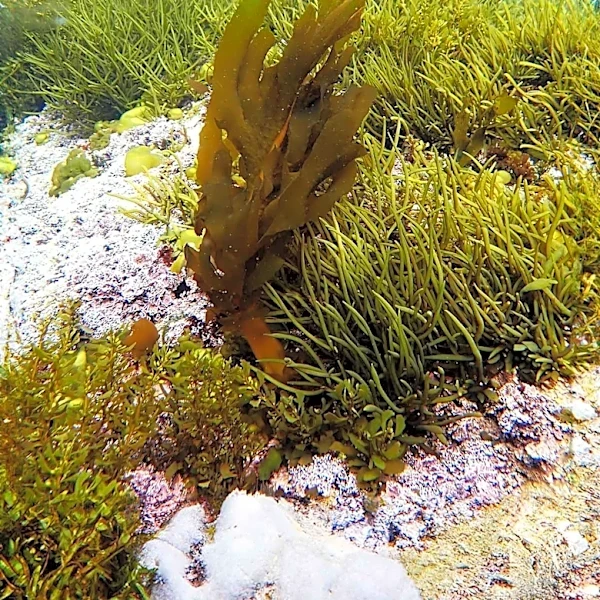
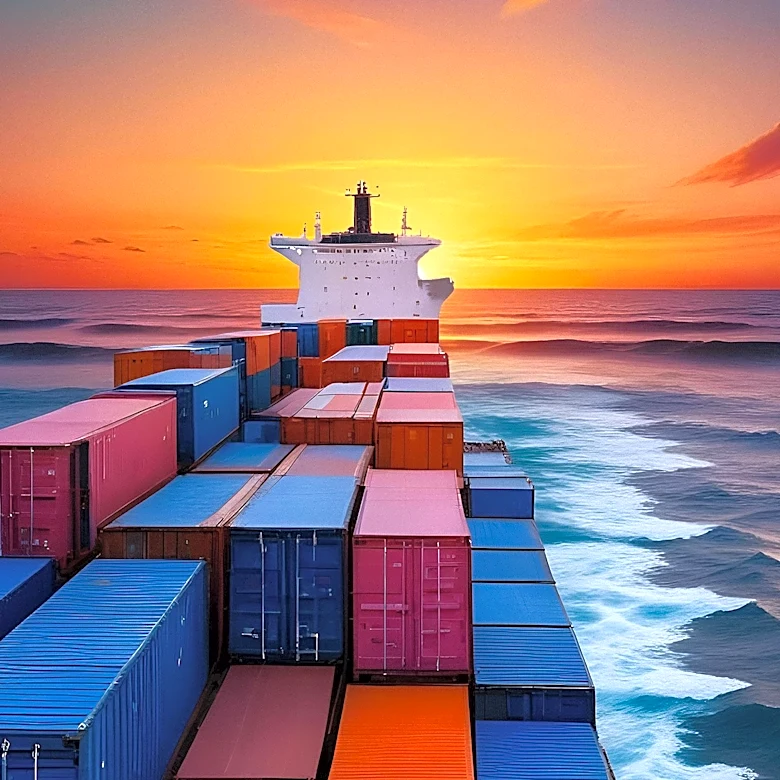
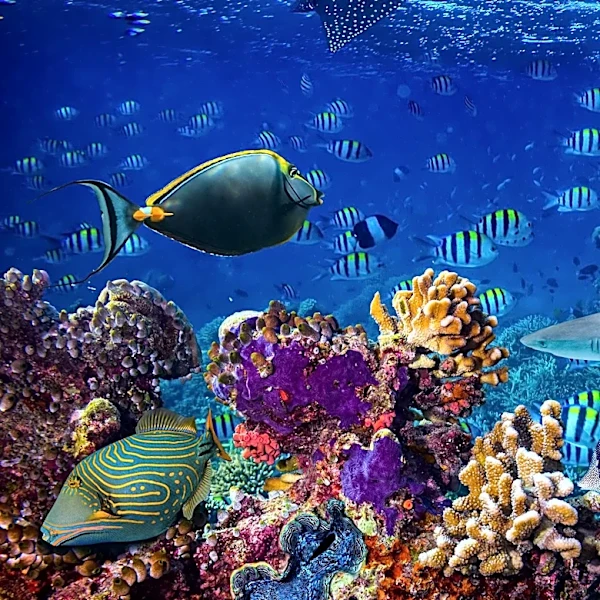
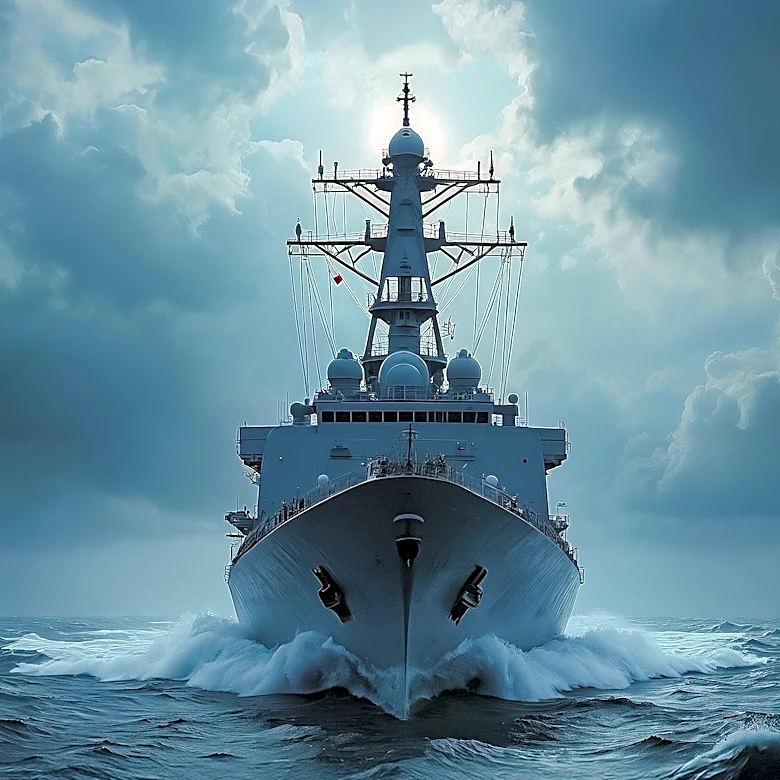
The closure of the Strait of Hormuz has resulted in over 1,500 large commercial ships being trapped in the Gulf region since February 28, 2026. These vessels, which have been idle for an extended period, are accumulating biofouling organisms from the local environment. This situation poses a significant risk of spreading non-indigenous species (NIS) globally once the ships resume their trade routes. The International Maritime Organization (IMO) has recognized the increased bioinvasion risks associated with extended lay-ups and recommends immediate actions for vessels idling beyond 18-30 days to manage biofouling. Historically, lay-ups have led to bioinvasions, such as the Australasian barnacle's spread to Europe during World War II. The Gulf region, a critical maritime chokepoint, supports the transport of energy commodities and goods to global markets, making the current situation particularly concerning.