Baylor College of Medicine Identifies Tubulin as Potential Protector Against Alzheimer's and Parkinson's
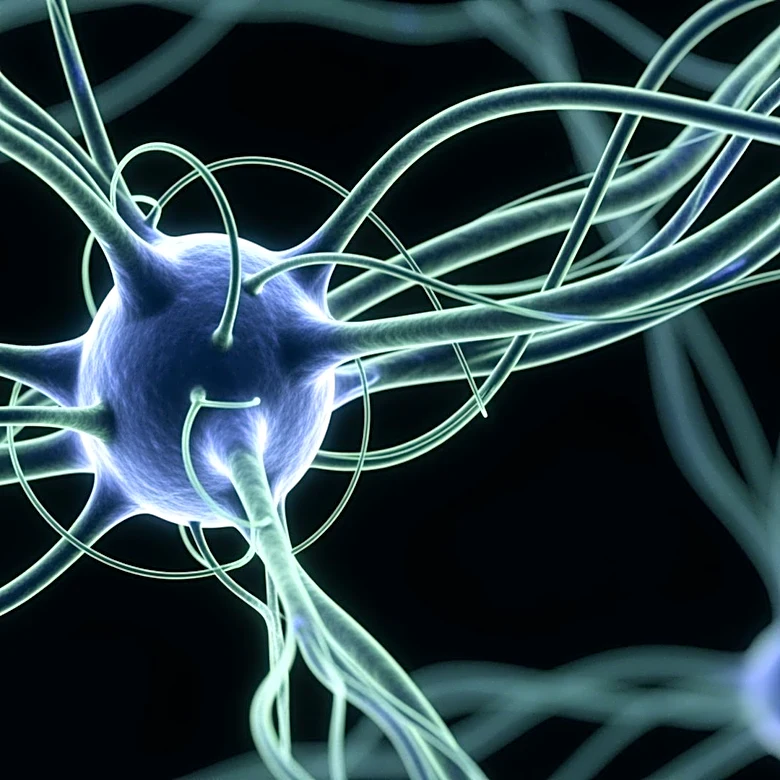
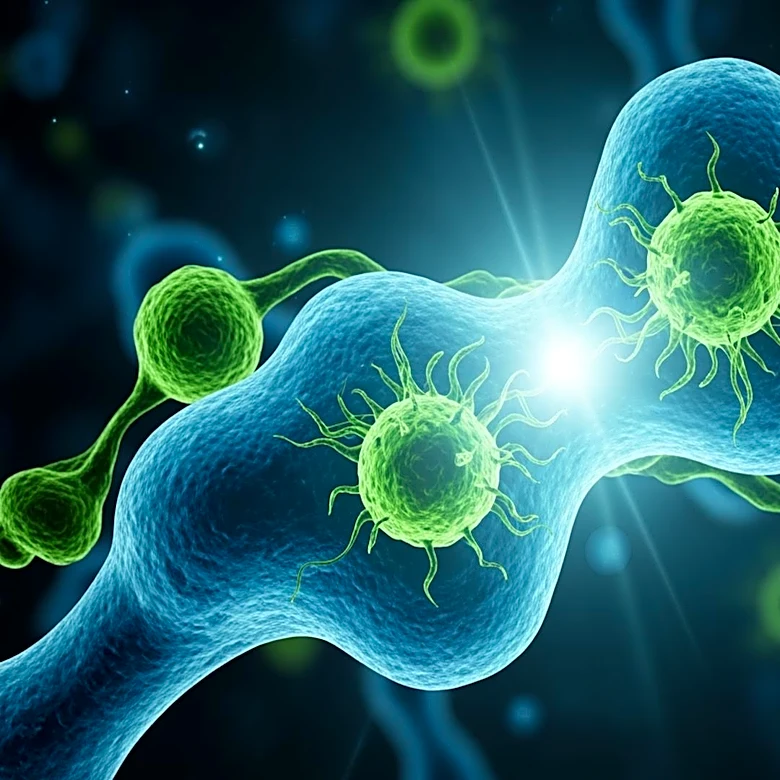
Researchers at Baylor College of Medicine have discovered that tubulin, a protein, may play a crucial role in preventing the formation of toxic protein clumps associated with Alzheimer's and Parkinson's diseases. These neurodegenerative diseases are characterized by the misfolding and aggregation of proteins such as Tau in Alzheimer's and alpha synuclein in Parkinson's, which interfere with neuron function. The study, published in Nature Communications, suggests that instead of preventing these proteins from aggregating, tubulin can redirect them towards maintaining healthy cellular functions. Tubulin is essential for building microtubules, which support neuron structure and function. The research indicates that tubulin can help Tau and alpha synuclein fulfill their roles in healthy neurons, potentially reducing the risk of disease progression.