Maryland Prioritizes Natural Solutions for Chesapeake Bay Marsh Restoration
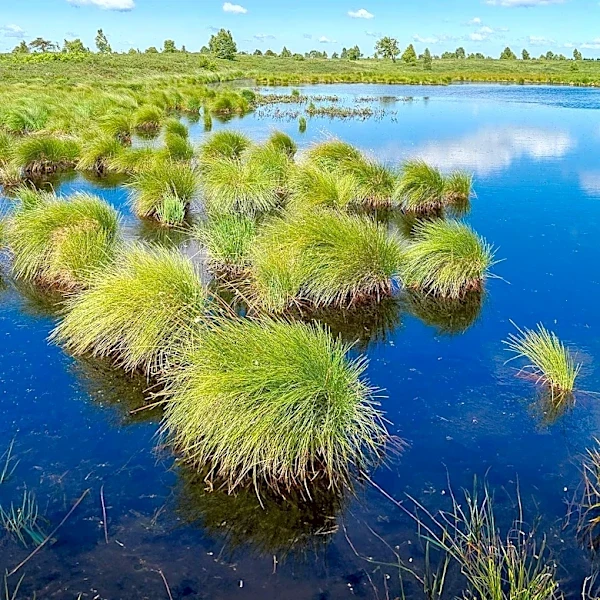
Maryland is actively engaged in marsh restoration efforts across the Chesapeake Bay, emphasizing natural, vegetated approaches to protect shorelines and enhance water quality. Coastal wetlands, including marshes, are crucial for sheltering wildlife, absorbing tides and stormwater, and filtering pollutants. The state's Living Shoreline Protection Act of 2008 mandates nonstructural shoreline stabilization measures, such as marsh creation, over traditional methods like bulkheads, unless proven infeasible. A University of Maryland study on the Nanticoke River subestuary revealed tidal wetlands are losing elevation at a rate of 1.8 millimeters per year, falling short of the 5 millimeters per year needed to keep pace with global sea-level rise. Restoration projects are designed site-by-site, considering local conditions, and are part of a larger strategy that includes pollution reduction and habitat protection.