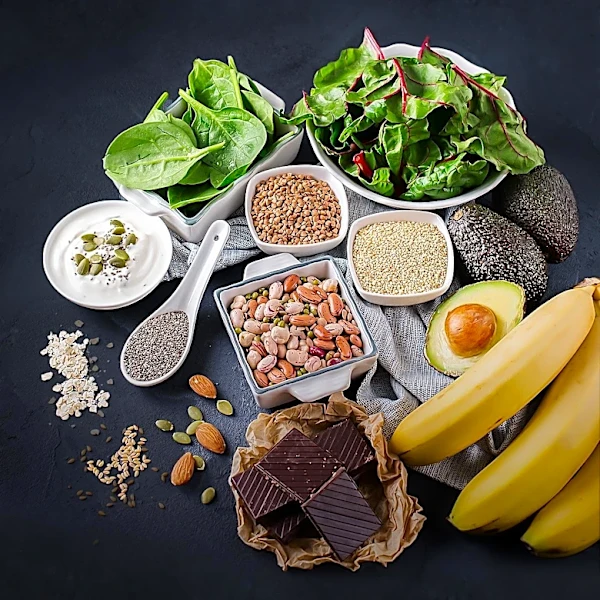
Prebiotics Defined as Substrates for Host Microorganisms to Confer Health Benefits
Prebiotics are defined as substrates that are selectively utilized by host microorganisms to confer a health benefit, according to the 2017 ISAPP consensus. They function as the primary food source for probiotics, enabling these live cultures to flourish. Common prebiotic ingredients include inulin, acacia fiber, fructooligosaccharide (FOS), and green banana powder. These substances are crucial for feeding beneficial microbes and stimulating their activity, which in turn supports gut health and aids in digestion. The definition emphasizes that fermentation alone is insufficient; the utilization must be selective and directly linked to a health benefit. This clarification helps distinguish prebiotics from other dietary fibers that may undergo fermentation but do not necessarily provide a specific health advantage through host microorganisms.