NASA Contributes Key Technology to Japan's Martian Moons eXploration Mission
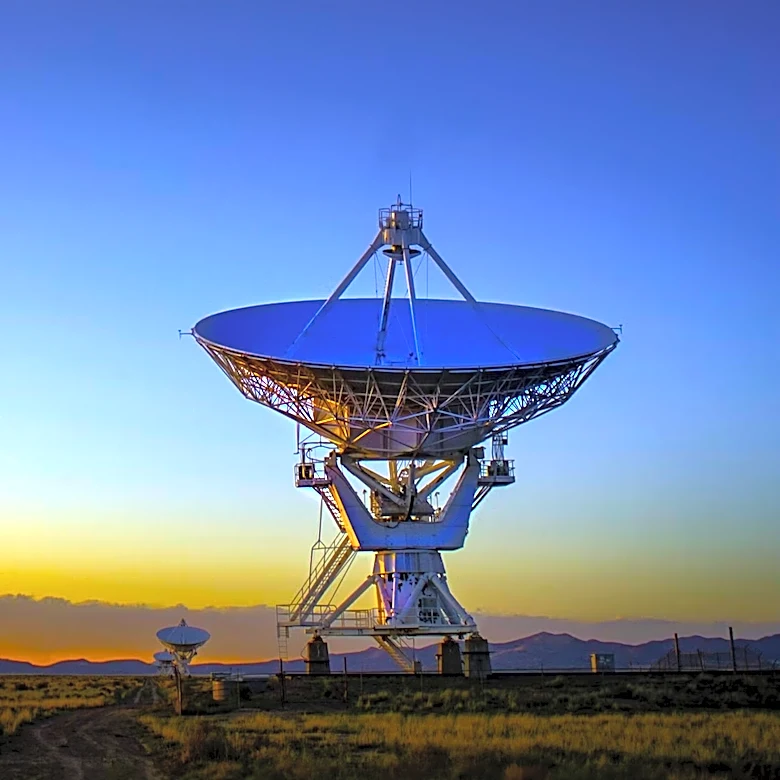
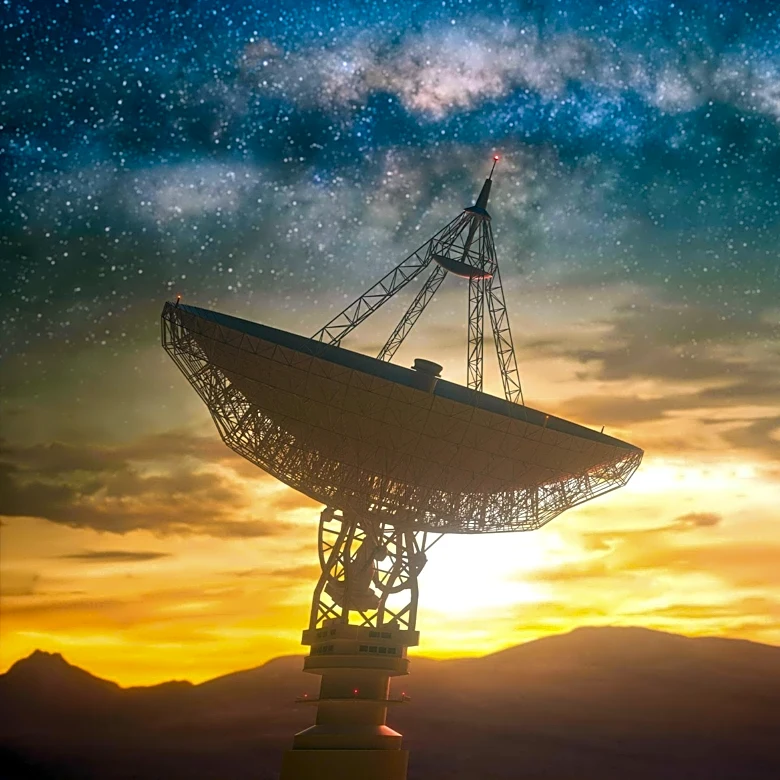
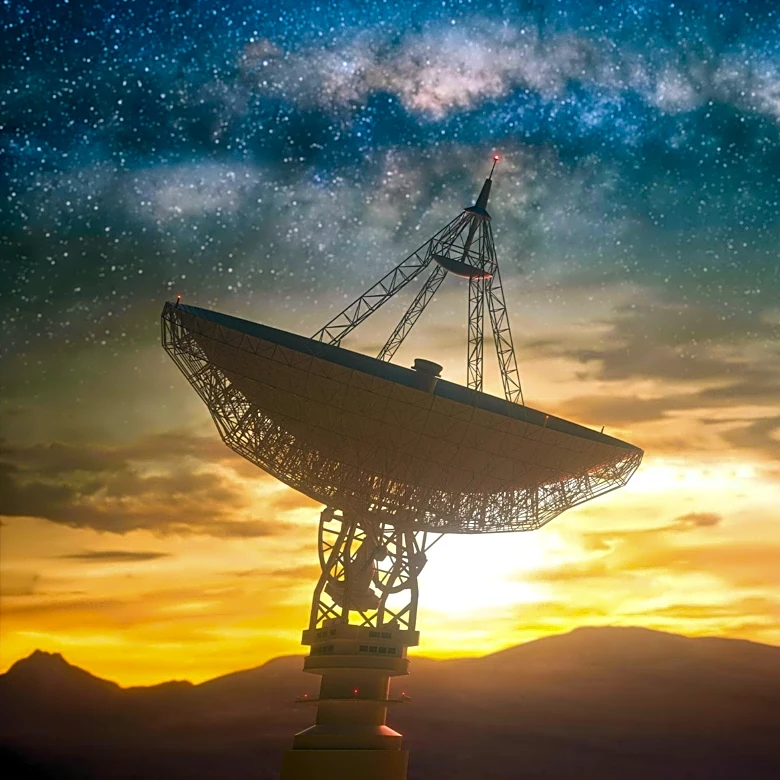
NASA is providing crucial technological contributions to the Japan Aerospace Exploration Agency's (JAXA) Martian Moons eXploration (MMX) mission, which is scheduled to launch on October 20, 2026. The MMX spacecraft aims to explore Mars' two small, irregularly shaped moons, Phobos and Deimos, and return samples from Phobos to Earth by 2031. NASA's contributions include the Mars-moon Exploration with Gamma-rays and Neutrons (MEGANE) instrument, developed by the Johns Hopkins Applied Physics Laboratory, which will measure gamma rays and neutrons from Phobos to determine its chemical composition. Additionally, Honeybee Robotics, a Blue Origin company, developed a pneumatic sampling mechanism for NASA, designed to collect loose surface material in Phobos' weak gravity. NASA's Deep Space Network will also provide essential communications and navigation support for the mission. The mission seeks to resolve the long-standing mystery of the moons' origins, with theories suggesting they are either captured asteroids...