Supreme Court Deliberates on Geofencing and Digital Privacy Rights
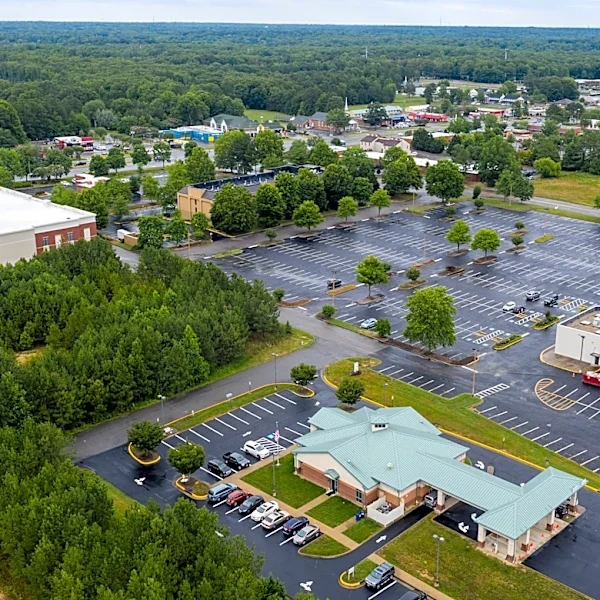
The Supreme Court is currently reviewing a case that questions the constitutionality of geofencing, a method used by law enforcement to create virtual boundaries around crime scenes and request data from tech companies to identify individuals present at the time of a crime. This case stems from a bank robbery in Midlothian, Virginia, where police used geofencing to track down Okello Chatrie through his smartphone location data. The tactic, known as a 'reverse search,' allows police to sift through vast amounts of location data to identify potential suspects. The case has sparked debate over digital privacy rights under the Fourth Amendment, which protects against unreasonable searches. The federal appeals court in Richmond upheld Chatrie's conviction, while a court in New Orleans ruled against the use of geofence warrants, highlighting a divided legal landscape.