U.S. Military's 1958 Caribou Introduction on Alaskan Island Leads to Significant Environmental Challenges
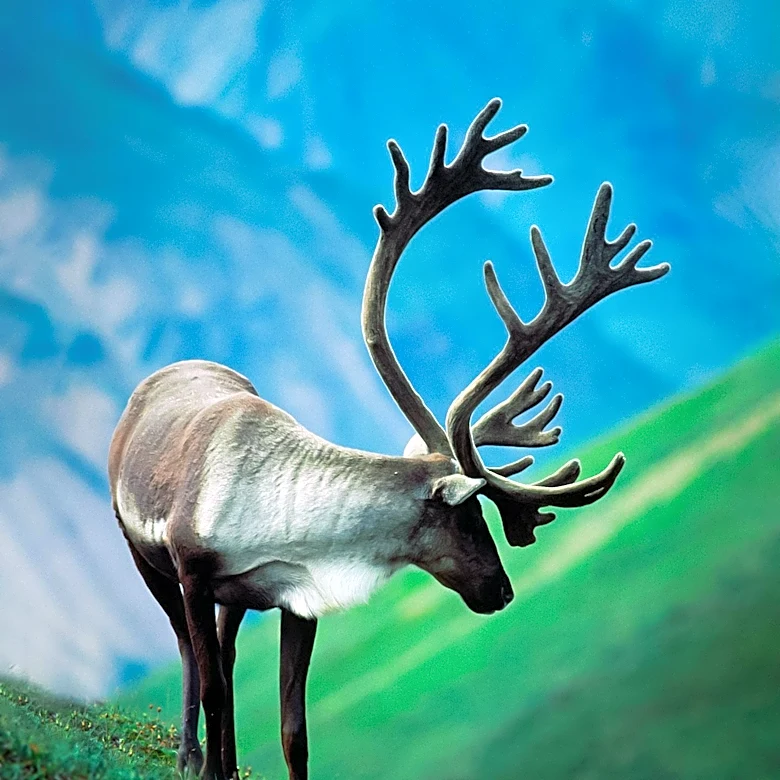
In 1958, the U.S. military introduced 25 caribou calves to Adak Island in the Aleutian Islands, Alaska, as an emergency food source for personnel stationed at Naval Air Station Adak during the Cold War. The initial goal was to establish a self-sustaining meat supply in case regular supply routes were cut off. The island proved to be an ideal environment for the caribou, lacking natural predators like wolves or bears, offering a mild maritime climate, and abundant lichens and mosses. For decades, military personnel hunted the caribou, keeping the population stable at around 300 to 600 animals. However, with the closure of Naval Air Station Adak in 1994, hunting drastically decreased. Without human predation or natural predators, the caribou population exploded, reaching approximately 2,750 by 2005, according to surveys by the Alaska Department of Fish and Game (ADF&G) and the U.S. Fish and Wildlife Service. This rapid growth has since created significant environmental problems for the island.