Hubble and Webb Telescopes Uncover Secrets of Trans-Neptunian Objects, Challenging Planet Formation Theories
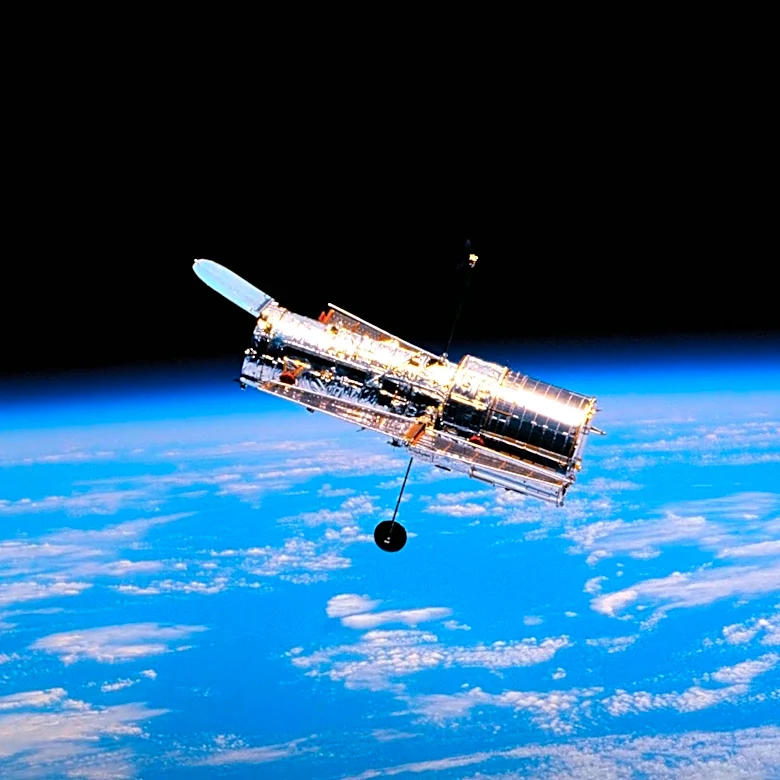
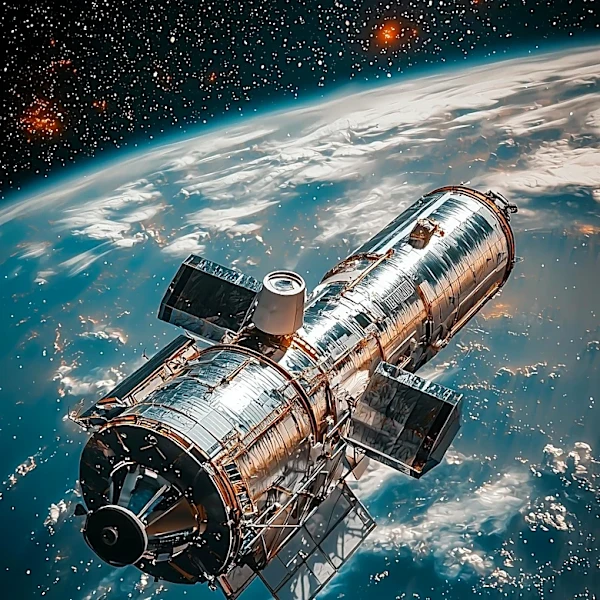
Scientists have, for the first time, combined observations from NASA’s Hubble Space Telescope and the James Webb Space Telescope to study some of the smallest and dimmest Trans-Neptunian Objects (TNOs) beyond Neptune. These icy worlds are considered relics from the early solar system, representing planetesimals that never fully developed into planets. The collaborative effort, led by PhD candidates Marielle Eduardo (University of Victoria) and Anastasia Morgan (Northern Arizona University), involved simultaneous observations where Hubble recorded visible light and Webb measured infrared signatures. They examined the colors, compositions, sizes, and orbits of 27 newly discovered TNOs, some as small as 5 kilometers across, which are beyond the reach of ground-based telescopes. The findings, published in The Astronomical Journal, revealed fewer tiny TNOs than expected and indicated that their surfaces have preserved their primordial states far better than previous models predicted. This suggests that collisio...