SpaceX and Amazon's Satellite Plans Raise Concerns Over Light Pollution Impact on Astronomy
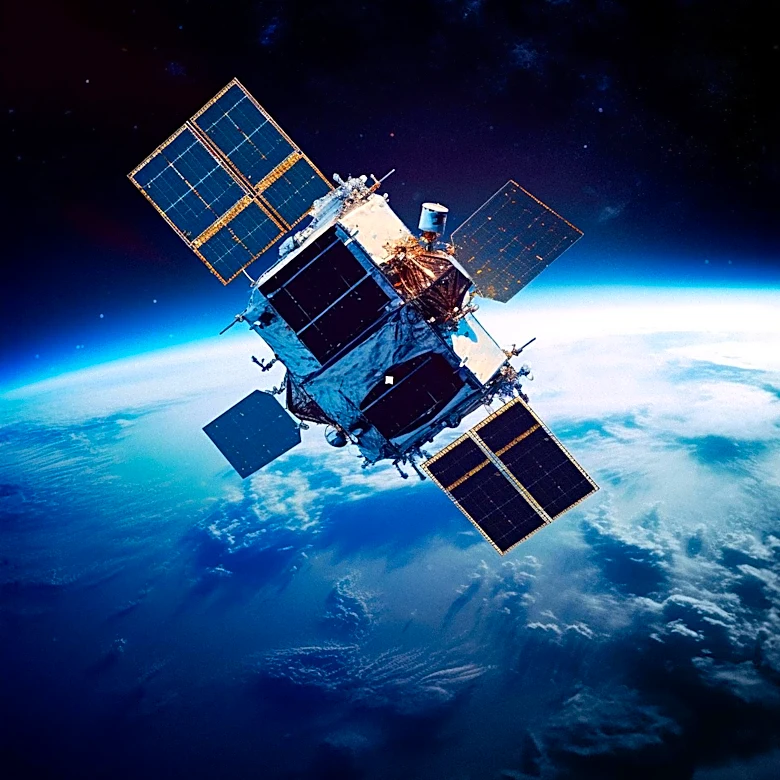
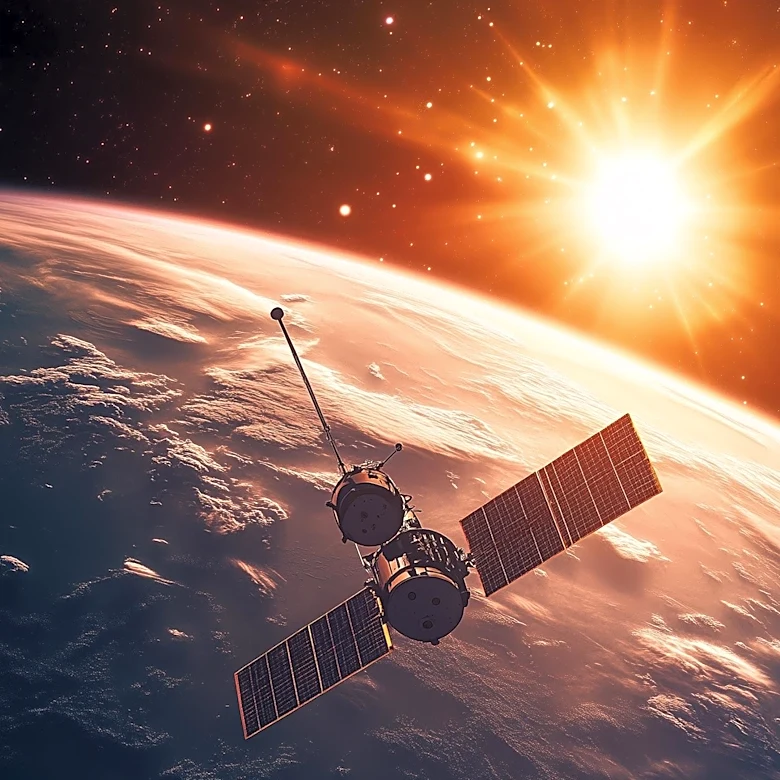
SpaceX's Starlink and Amazon's Leo are planning to deploy tens of thousands of communication satellites in Low-Earth Orbit to achieve global broadband and direct-to-smartphone connectivity. This initiative has sparked concerns among astronomers about the potential increase in light pollution, which could hinder the observation of the cosmos. The U.S. Federal Communications Commission (FCC) has granted a license to Reflect Orbital, a California-based startup, to launch its first demonstration satellite, Eärendil-1, which aims to provide 'sunlight on demand' by beaming sunlight down to Earth after dark. Reflect Orbital plans to deploy a constellation of 50,000 mirror-craft by 2035. These developments have raised questions about the impact on astronomical research and the search for extraterrestrial life, as light pollution could obscure technological signatures from other civilizations.