Mimosa Trees, Once Valued Ornamentals, Now Invasive Species in U.S.
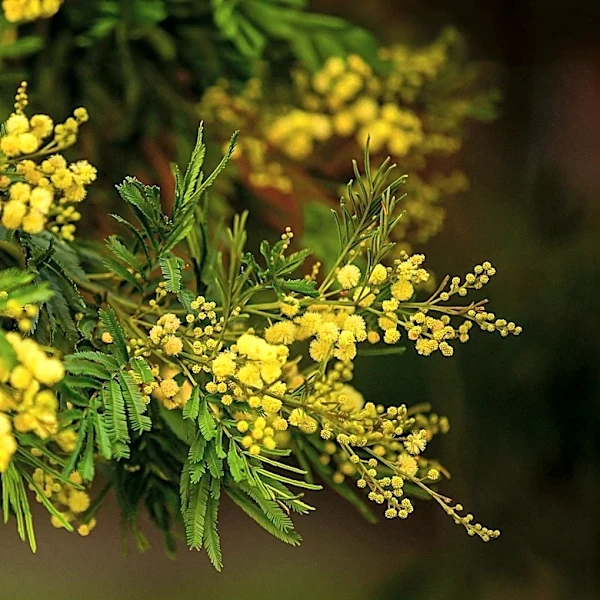
Introduced to the United States around 1745 for its attractive pink flowers and unique foliage, the mimosa tree (Albizia julibrissin) has since escaped cultivation and become an invasive species across parts of the southern and eastern U.S. Initially prized as an ornamental, its ability to reproduce rapidly, spread seeds widely, and resprout after cutting has allowed it to establish itself in disturbed areas like roadsides, clearings, and floodplains. This aggressive growth allows mimosa to outcompete native trees and shrubs, altering habitats along forest edges and waterways. The tree's resilience, including its ability to tolerate various soil and light conditions and for its seeds to remain dormant for years, makes its control challenging. Extension services now recommend native alternatives such as serviceberry, flowering dogwood, and eastern redbud for landscaping.