Scientists Identify 'Ghost Ancestors' in Human DNA, Revealing New Insights into Human Evolution
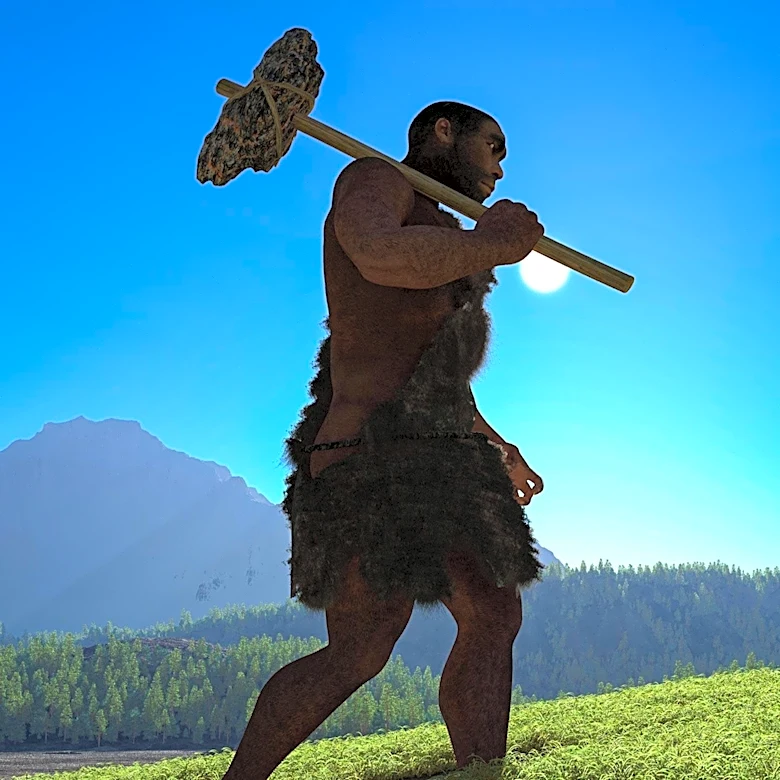
Researchers from UC Berkeley and Johns Hopkins University have discovered traces of two previously unknown hominin species in modern human DNA. These 'ghost ancestors' were identified through a new method called TRACE, which tracks archaic contributions via ARG estimation. The study, published in the journal Science, reveals that these ancient relatives interbred with Homo sapiens approximately 50,000 years ago, before the most recent migration out of Africa. This discovery suggests that about 0.5 to 1 percent of the modern human genome comes from these unknown ancestors, similar to the genetic contribution from Neanderthals. Additionally, the study found evidence of a 'super-archaic ancestor,' a 1.8-million-year-old lineage that interbred with Denisovans, another ancient human species.