Connected Kitchen Appliances Raise Data Privacy Concerns for U.S. Consumers
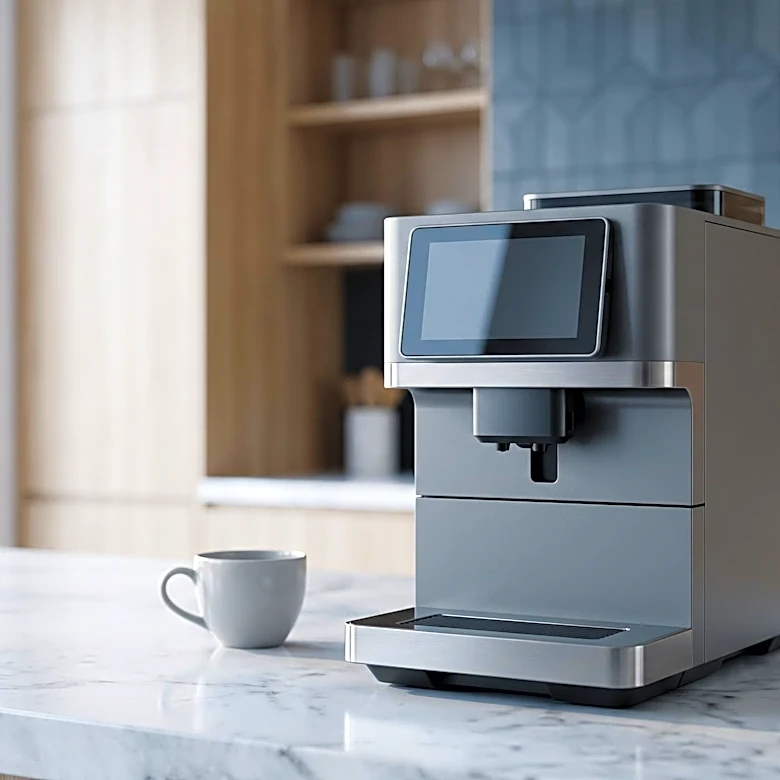
The increasing prevalence of connected kitchen appliances, such as smart coffee machines, introduces a trade-off between convenience and data privacy for U.S. consumers. These devices offer features like recipe synchronization, remote scheduling, and firmware updates, but in exchange, they collect and transmit user data. This data can include usage statistics (e.g., shots pulled per day), brewing preferences, diagnostic information (e.g., error codes, water hardness), and account data (e.g., name, email). While the core functions of these appliances, such as grinding and brewing, operate locally without data sharing, the connected features necessitate the movement of information to manufacturers. Consumers are often unaware of the extent of data collection when purchasing these smart devices. The decision to connect these appliances involves weighing the benefits of enhanced features against the potential data footprint, prompting a need for greater transparency and user control over their personal informa...