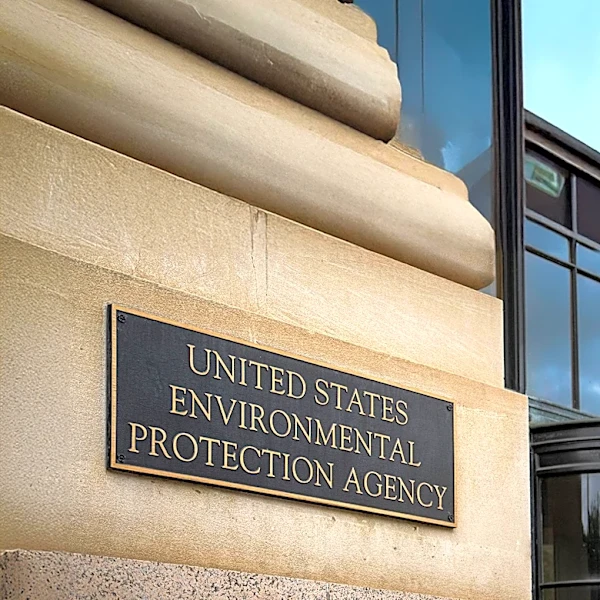
Environmental Law Explores Affirmative Emergency Powers for Protection
Environmental law is increasingly examining the concept of 'affirmative emergency powers' as a critical tool for environmental protection, particularly when conventional regulatory systems or enforcement mechanisms prove insufficient. These powers, distinct from typical enforcement actions that address permit violations, allow officials to order immediate abatement or prevention of conditions that endanger health, welfare, or the environment, even if polluters are technically in compliance with existing permits. The U.S. Environmental Protection Agency (EPA) has rarely invoked these powers, with Section 303 of the Clean Air Act being used fewer than twenty times since 1970. The article highlights that environmental emergencies, such as mass chemical exposures and oil spills, have historically driven landmark environmental legislation. However, modern emergencies can also stem from long-term failures in risk assessment or gaps in existing laws, not just sudden, high-visibility crises. The discussion emphasi...