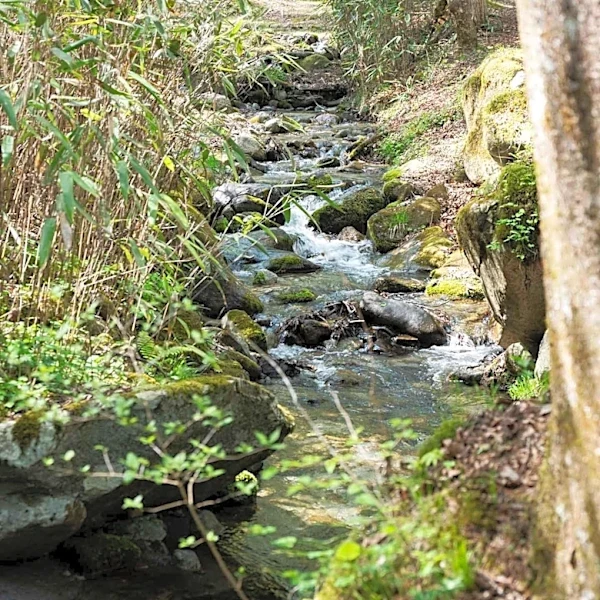
North Carolina Forestry Emphasizes Water Quality Protection in Timber Harvesting
North Carolina forestry practices are increasingly focusing on integrating water quality protection into timber harvesting operations. According to Carolina Forestry & Realty, a thoughtful harvest plan is crucial, involving the identification of waterways, limiting stream crossings, protecting streamside vegetation, and controlling soil runoff. This proactive approach aims to prevent sediment from entering creeks, which can damage water quality and stream habitats. The North Carolina Forest Service provides guidance that distinguishes streamside management zones (SMZs) from ordinary harvest areas, emphasizing their protection before equipment arrives. Landowners are advised to map streams, including intermittent and perennial ones, and wet areas, through both aerial imagery and field inspection. Avoiding stream crossings when feasible, and using appropriate structures like temporary bridge mats or culverts when necessary, are key recommendations. Furthermore, proper drainage systems, such as groundcover, w...