Pacific Ring of Fire's Volcanic Glaciers Pose Unique Hazards, Impacting U.S. Pacific Coast
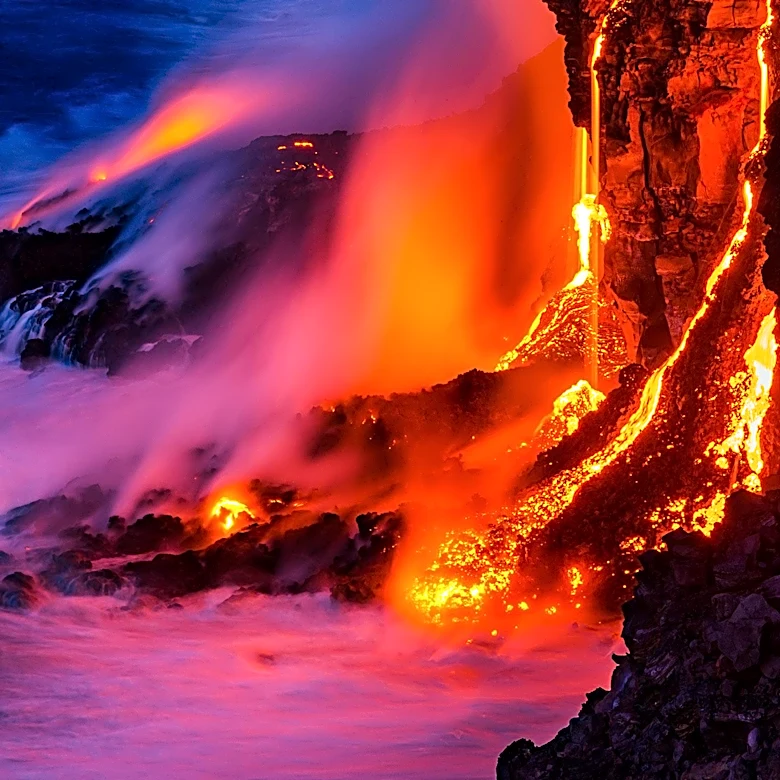
The Pacific Ring of Fire, a region known for its high seismic and volcanic activity, also hosts numerous glaciated volcanoes, particularly along the Pacific coast of Alaska, Canada, and the U.S. These glaciated volcanoes present unique hazards due to the interaction of ice and volcanic activity. When eruptions occur beneath glaciers, the meltwater can lead to powerful phreatomagmatic explosions, as seen with Iceland's Eyjafjallajökull eruption in 2010, which disrupted European airspace. The melting of glaciers by volcanic heat can also create subglacial lakes that, when drained, cause massive floods known as jökulhlaups. Additionally, volcanic activity can cause glaciers to accelerate their movement due to meltwater lubrication, or conversely, lead to their destruction or retreat. The presence of glaciers can also influence the type and impact of volcanic ash, with rapid cooling leading to highly abrasive ash that can damage jet engines.