FDA's New Policy on Artificial Colors Sparks Consumer Confusion
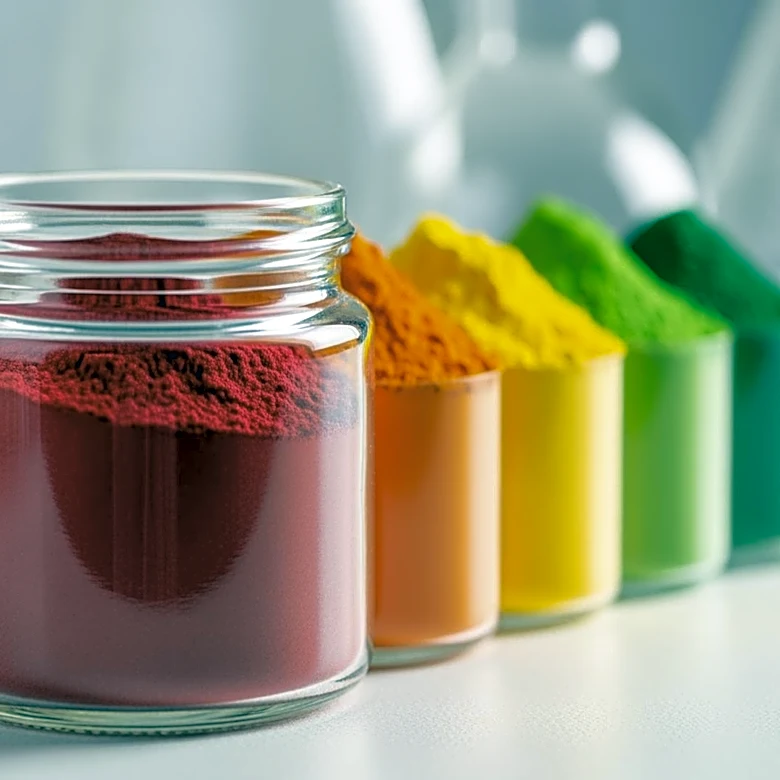
The Food and Drug Administration (FDA) has introduced a new policy that redefines what 'no artificial colors' means on food labels, causing concern among consumer advocates. Previously, this label indicated the absence of added colors. Under the new policy, only FD&C dyes and petroleum-based dyes like Red 40, Yellow 5, and Blue 2 are considered artificial. Other synthetic additives, such as titanium dioxide, which is used to enhance whiteness in foods and is banned in the European Union due to toxicity concerns, may now be included in products labeled as having 'no artificial colors.' This change has led to confusion for consumers who rely on these labels for making informed choices. The FDA has stated that it will review certain additives, including titanium dioxide, and take action if new data indicates they are unsafe. Meanwhile, several states, including California, West Virginia, Arizona, Utah, and Virginia, are implementing their own restrictions on synthetic dyes in food products.