Methana Volcano in Greece Shows Signs of Activity After 100,000 Years, Raising Safety Concerns
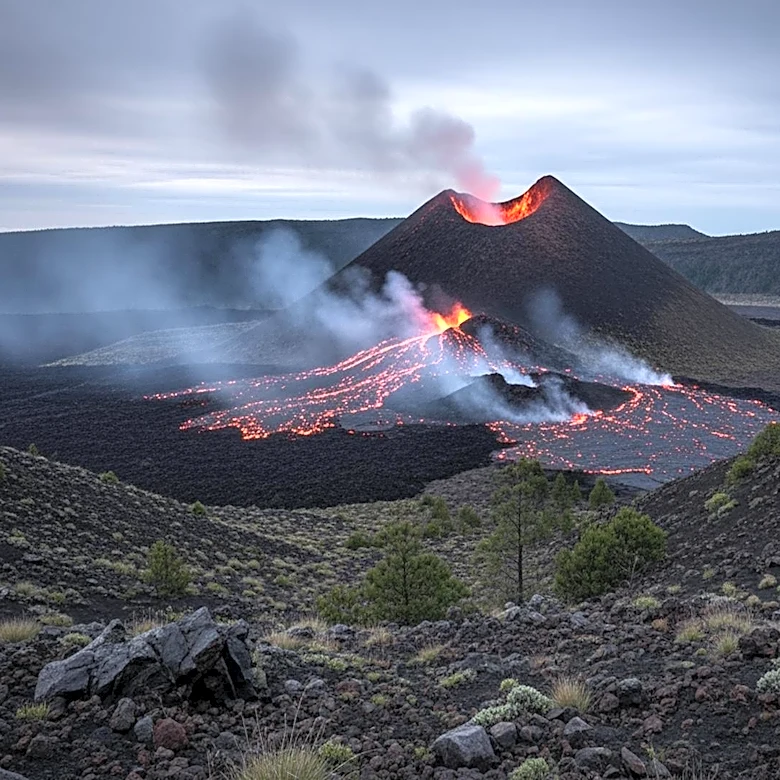
New research published in Science Advances has revealed that the Methana volcano in Greece, located approximately 31 miles from Athens, is not extinct as previously believed. Despite a lack of visible activity for over 100,000 years, the volcano has been accumulating magma in its subterranean chambers. Scientists analyzed over 1,250 zircon crystals from the Earth's crust beneath the volcano, which allowed them to map its history in detail. The study, led by ETH Zurich volcanologist Olivier Bachmann, found that the volcano's magma chambers have been active almost continuously. This suggests that a lack of surface activity does not necessarily indicate a volcano is extinct. The research also discovered that the magma is exceptionally water-rich, which could influence eruption frequency.