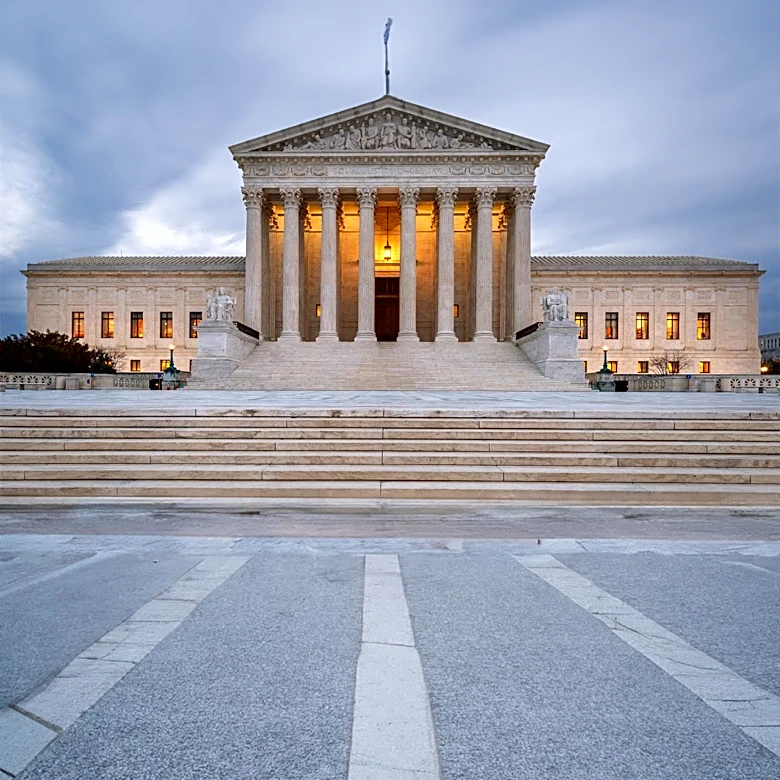
U.S. Supreme Court Can Issue Stays of Execution, Not Overturning Convictions
The U.S. Supreme Court has the authority to issue a stay of execution, which is a temporary judicial order preventing a scheduled execution from being carried out. This action does not, by itself, overturn a conviction, vacate a death sentence, or permanently prevent an execution. Instead, a stay pauses the execution while a court considers an unresolved legal issue or allows for further judicial review. The Supreme Court views a stay of execution as an equitable remedy, not an automatic entitlement, and considers the state's interest in enforcing its criminal judgments. A Justice of the U.S. Supreme Court can consider an application for a stay, and the application may also be referred to the full Court. The Court's Rule 23 governs stay applications, generally requiring applicants to first seek relief from lower courts unless extraordinary circumstances exist. The application must specifically explain why a stay is warranted.