School Gardens Enhance Science Learning and Agricultural Literacy Among Students
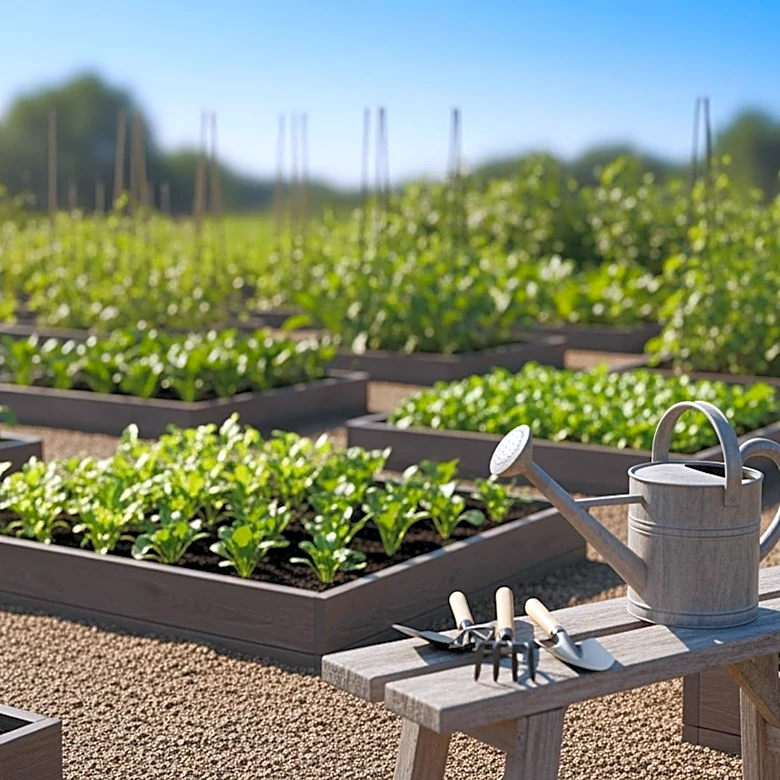
School gardens are being recognized as valuable educational tools that enhance science learning and agricultural literacy among students. Historically, agriculture was a part of daily life for most Americans, but today, many are several generations removed from farming. As a result, there is a growing gap in agricultural knowledge. School gardens help bridge this gap by providing hands-on learning experiences that engage students with science and nature. These gardens serve as living laboratories where students can experiment with variables such as water, temperature, and sun exposure, thereby improving their science process skills. Additionally, gardening fosters life skills like teamwork, patience, and responsibility. Despite their benefits, school gardens face challenges such as funding, space, and aesthetic concerns, which can deter their implementation.