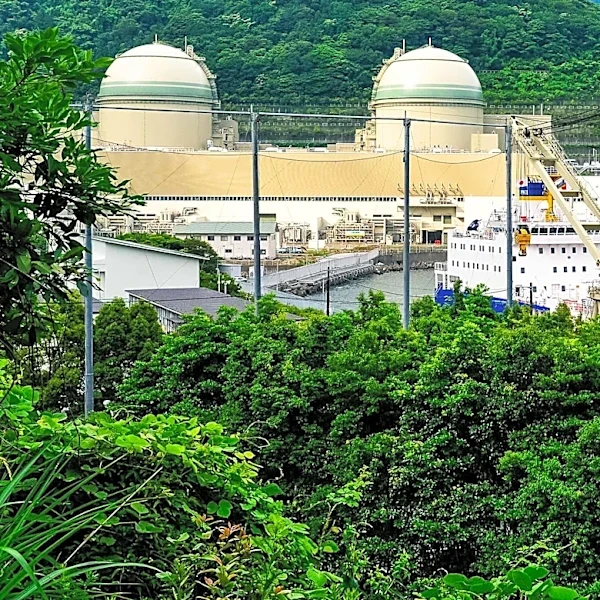
Anti-Nuclear Movements' Historical Impact and Evolving Debate on Energy Safety and Policy
Anti-nuclear movements have historically played a significant role in shaping energy policy in the U.S., contributing to the halt of construction for Seabrook’s Unit 2 and the cancellation of over 100 reactor orders in the 1970s and 1980s. These movements, such as the Clamshell Alliance, aimed to make nuclear energy development more challenging and costly, leading to continued reliance on fossil fuels in regions like New England. The debate over nuclear safety is ongoing, with proponents arguing that modern nuclear reactors have substantial safety improvements and that nuclear energy is as safe as wind and solar, citing statistics of 0.03 deaths per terawatt-hour for nuclear compared to 0.02 for solar and 0.04 for wind. Conversely, a 2022 paper estimated over 1,100 excess deaths annually in Germany following its post-Fukushima decision to close almost all nuclear power plants. The discussion also touches upon the broader implications of anti-nuclear sentiment, including its impact on greenhouse gas emissio...