Researchers Uncover Mechanism Behind Runaway Supermassive Black Holes
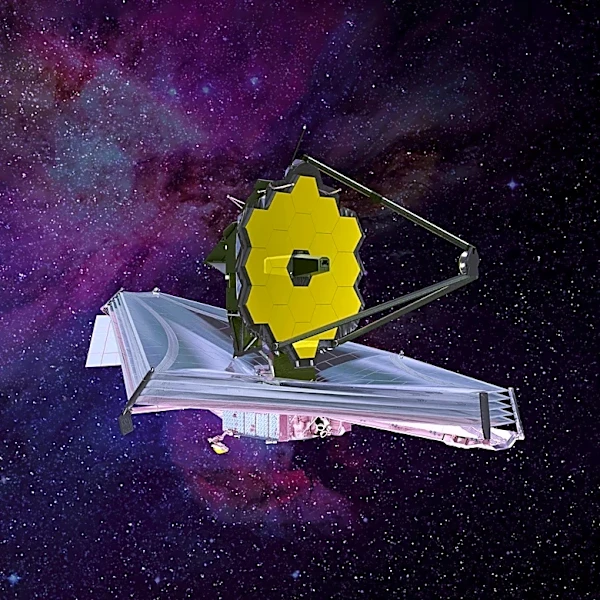
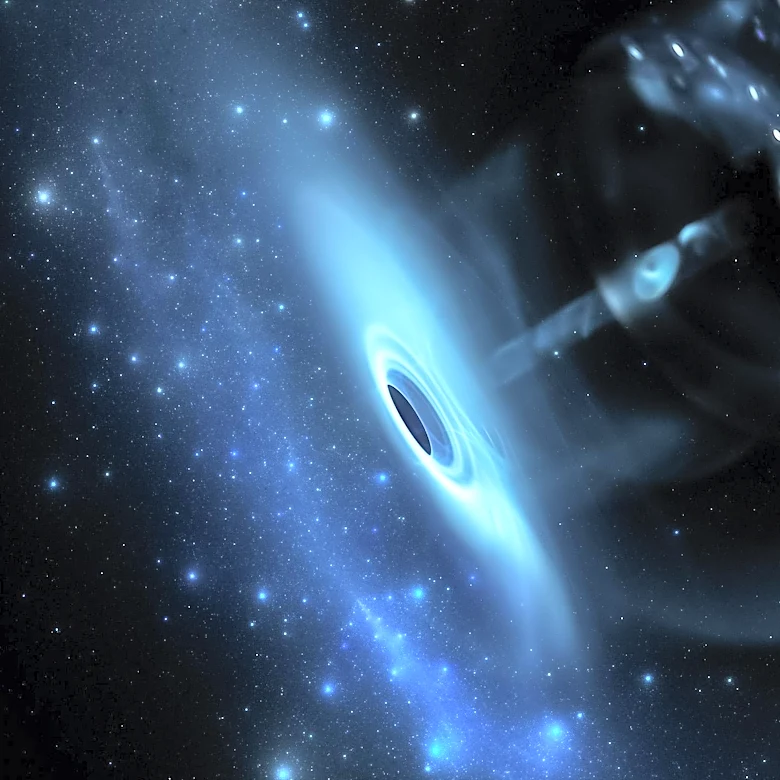
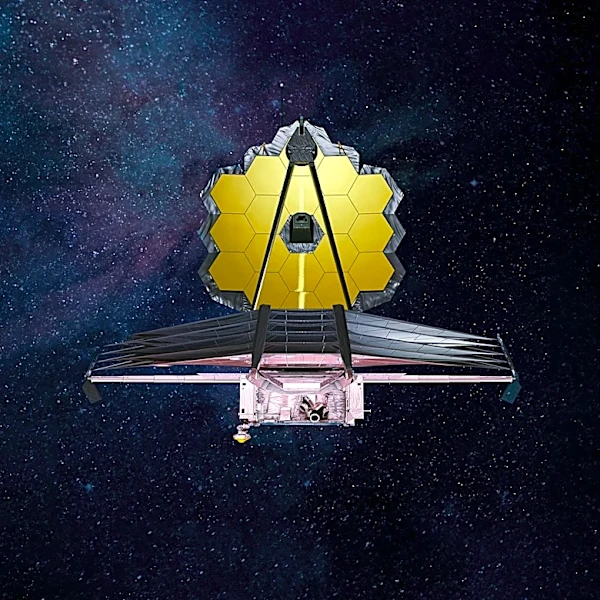
In a groundbreaking study, researchers have identified a potential mechanism for the phenomenon of runaway supermassive black holes. This discovery was prompted by an observation made in 2023, when a thin, line-like shape was detected in an image captured by the Hubble Space Telescope, approximately 7.5 billion light years from Earth. Further analysis, including data from the James Webb Space Telescope, led Pieter van Dokkum and his team at Yale University to propose that this line was the result of a supermassive black hole being ejected from its galaxy at supersonic speeds, leaving a trail of young stars. The new study, led by Tousif Islam at the University of California, Santa Barbara, and his colleagues, suggests that such an event could occur when two supermassive black holes collide, with one being significantly more massive and spinning rapidly. This collision could result in a recoil effect, propelling the newly formed black hole out of its galaxy.