Allergy Symptoms Intensify Due to Combination of Environmental Factors
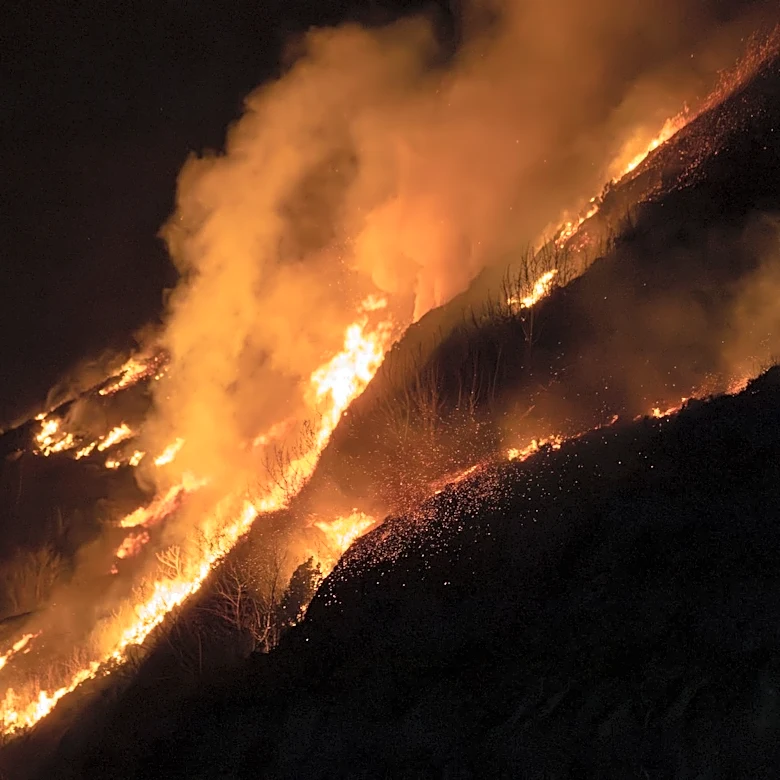
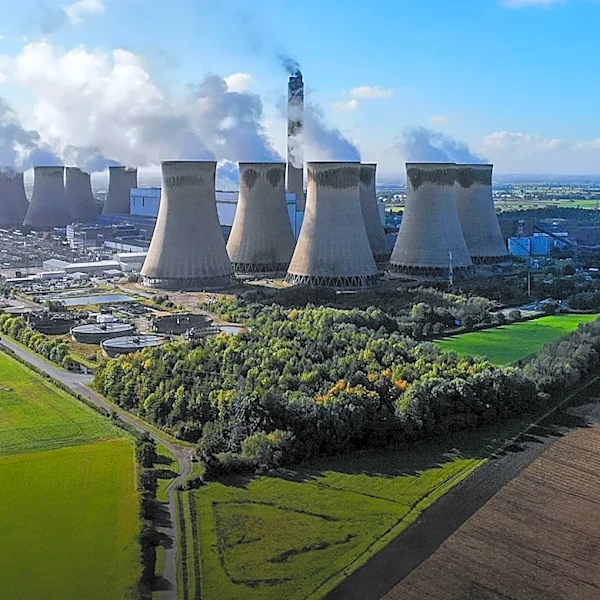
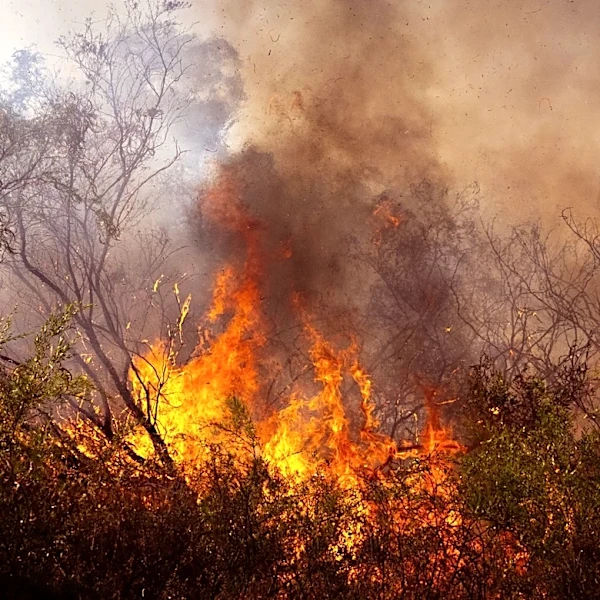
Many individuals are experiencing unusually severe allergy symptoms, a phenomenon attributed to a confluence of environmental factors. High pollen counts, rapid weather shifts, increased pollution, and persistent indoor triggers are collectively exacerbating allergic reactions. Pollen levels, particularly from trees in spring, grasses in late spring and summer, and weeds like ragweed in late summer or fall, are significant contributors. Dry, windy conditions facilitate wider pollen dispersal, leading to sudden flares. Weather changes, such as warm days accelerating plant growth and pollen release, and thunderstorms breaking pollen into smaller, more inhalable particles, also play a role. Air quality degradation from pollution, wildfire smoke, and vehicle exhaust irritates nasal and airway linings, making individuals more susceptible to allergens. Indoor allergens like dust mites, mold, and pet dander further compound the issue, leading to year-round or intensified symptoms, especially at night or in the mo...