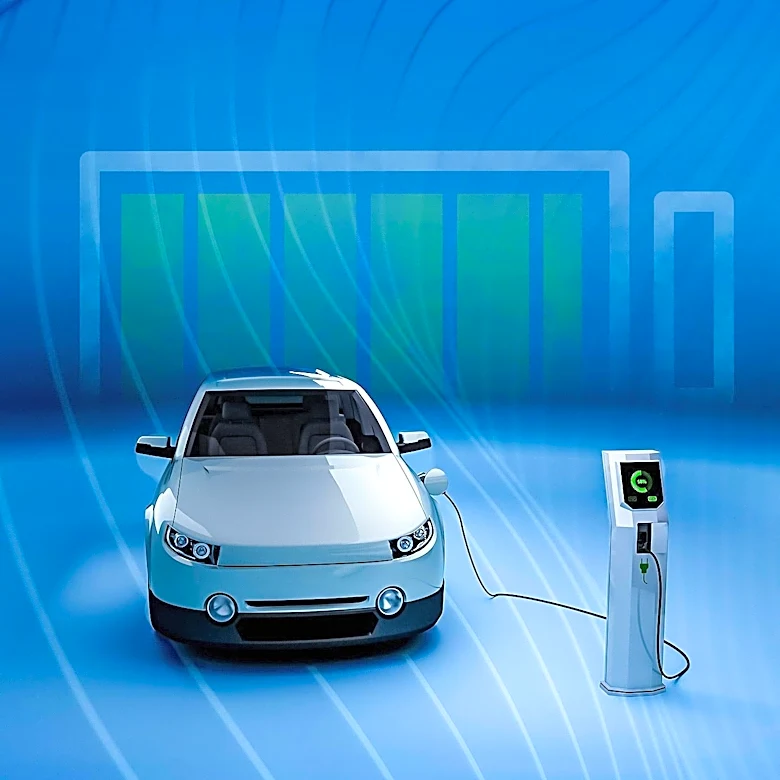
Battery Technology Evolves with Focus on Safety and Durability for U.S. Consumers and Industries
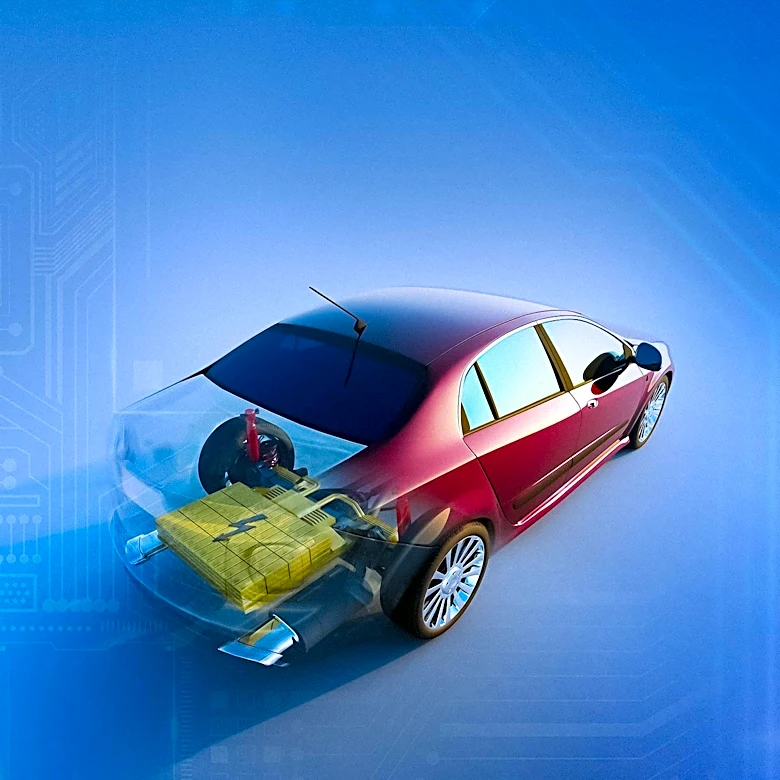
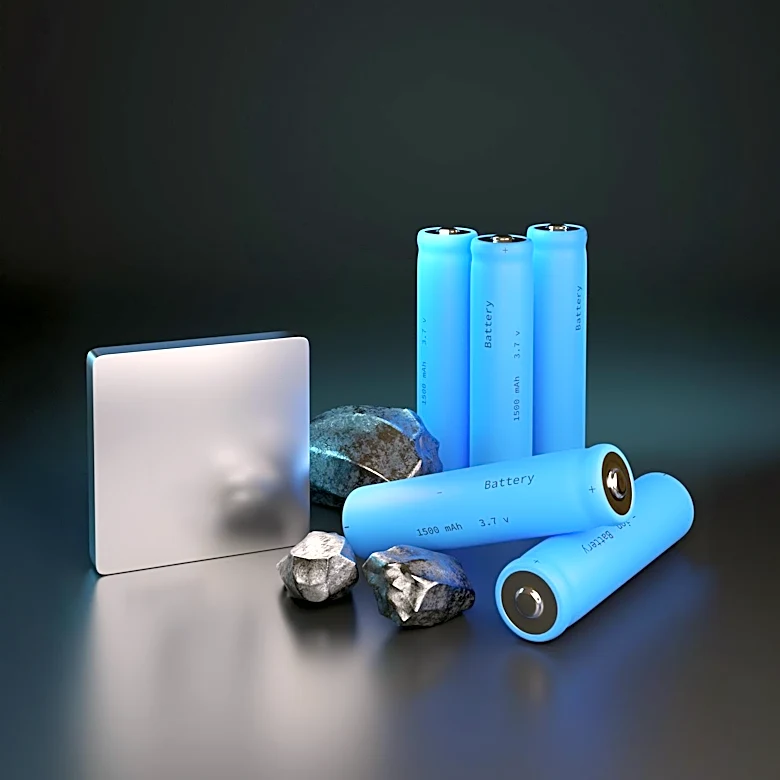
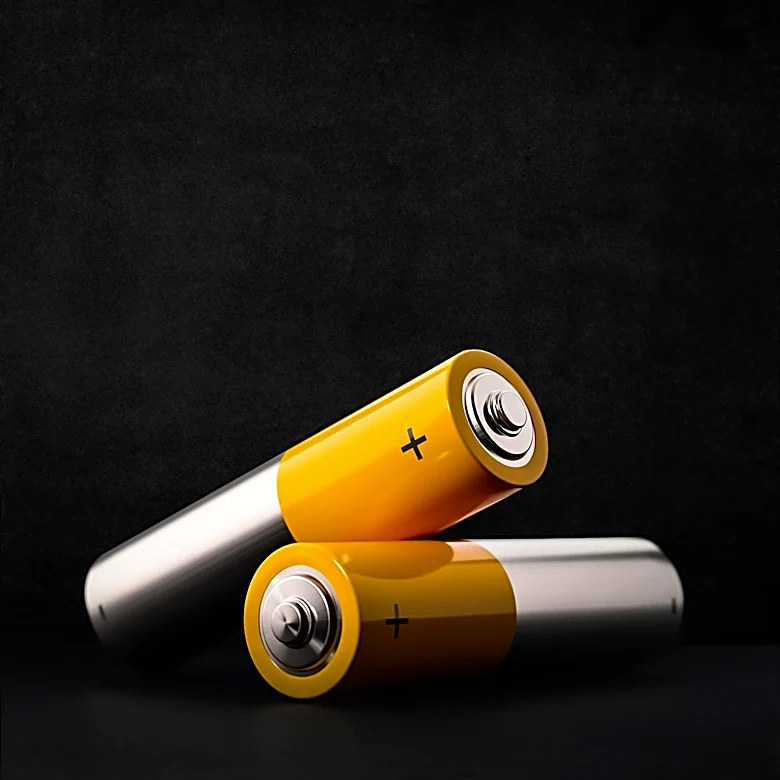
The battery market in the U.S. is characterized by a diverse range of technologies, from traditional alkaline and lead-acid batteries to advanced lithium-ion variants. Consumers encounter various battery types daily, including alkaline packs for household devices, nickel-metal hydride for game controllers, and lead-acid batteries for automotive use. Lithium-ion batteries power modern electronics like phones and home backup systems. A key distinction exists between primary cells, which are disposable after a single use, and secondary cells, which are rechargeable. While physical dimensions like AA or AAA are standardized, they do not dictate the internal chemistry, voltage, or energy capacity. The choice of battery is critical, as matching the wrong type to a device can lead to electronic damage, reduced hardware lifespan, or even fire hazards. For applications prioritizing safety, durability, and frequent cycling, Lithium Iron Phosphate (LiFePO₄) batteries are emerging as a leading choice due to their high...