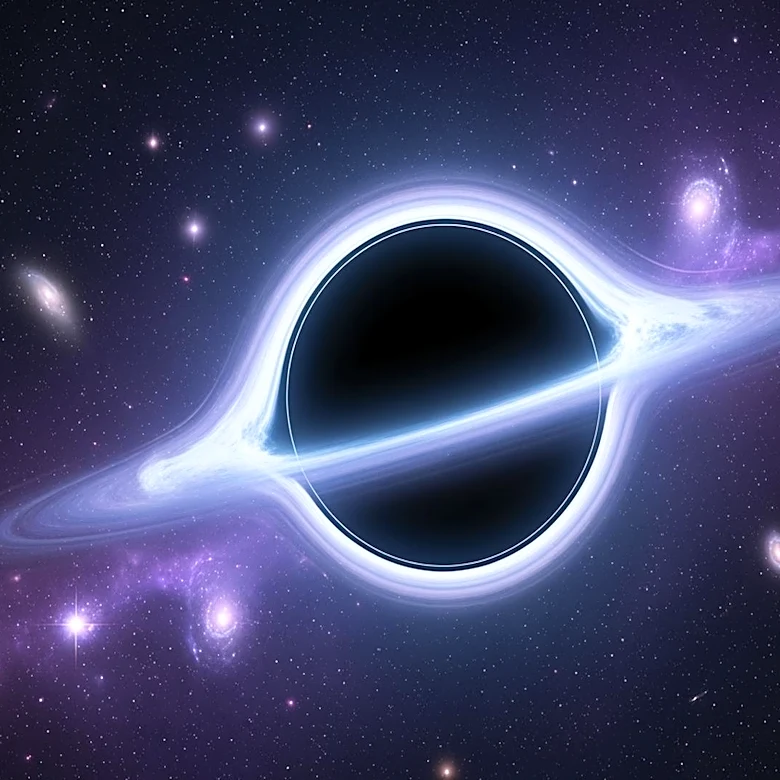
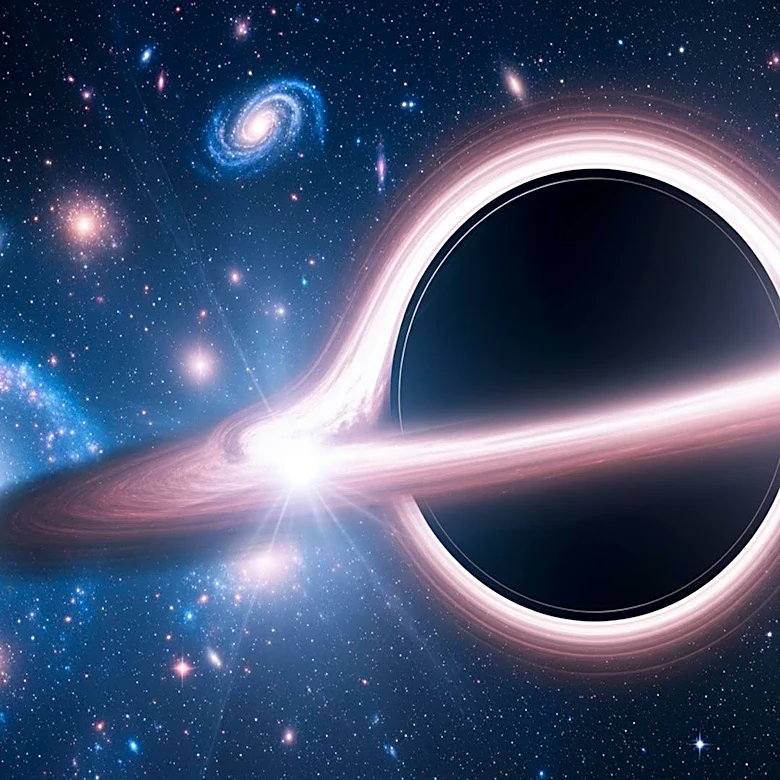
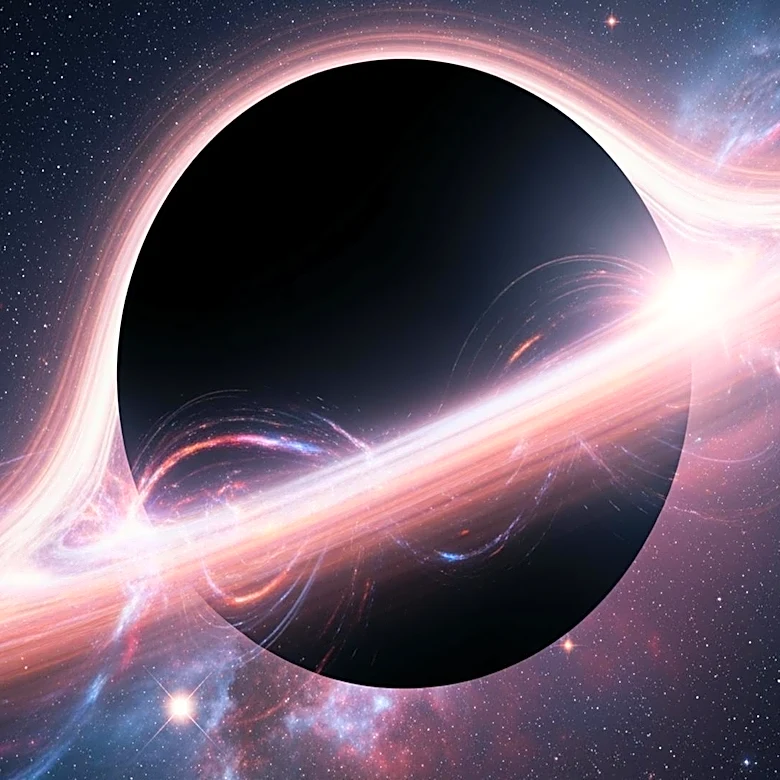
James Webb Telescope Identifies Most Distant Dormant Black Hole, Offering Insights into Early Universe
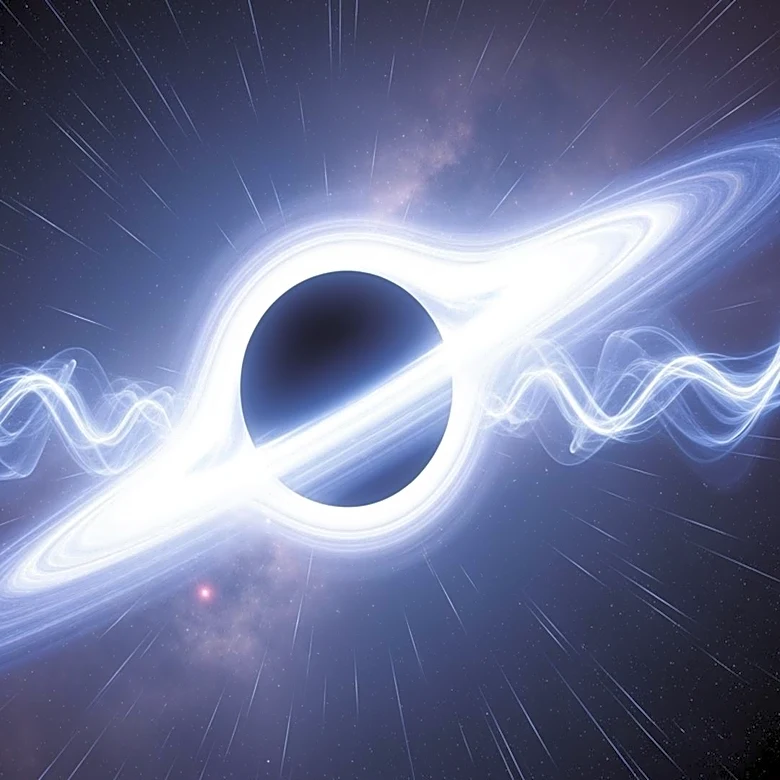
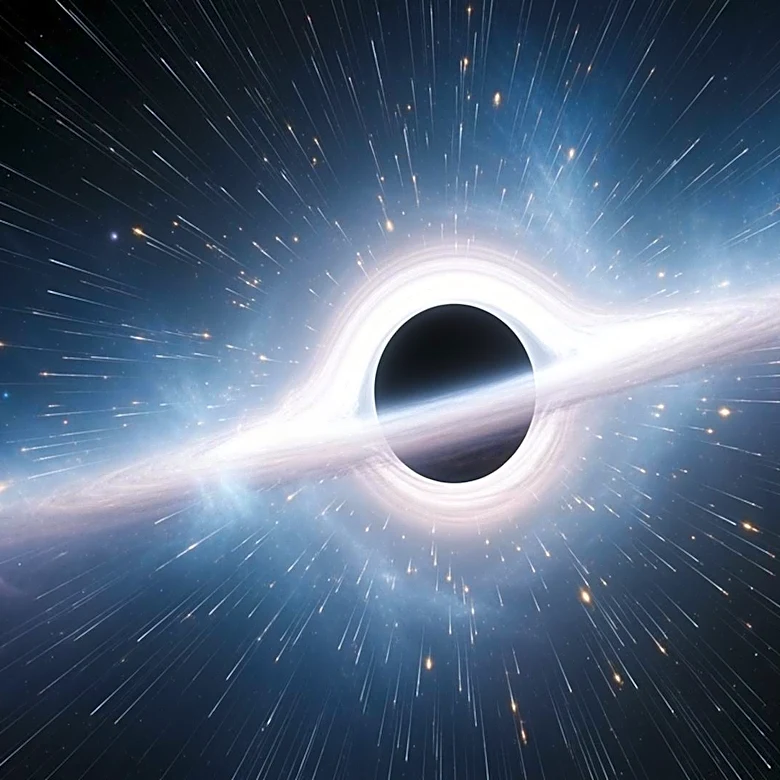
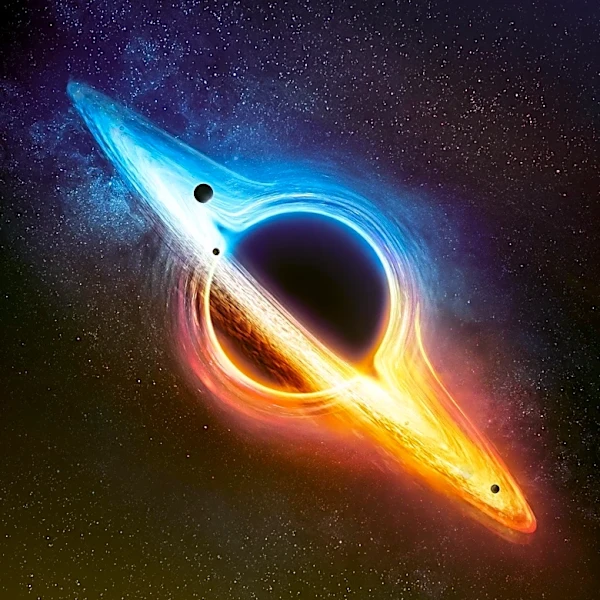
The James Webb Space Telescope has detected the most distant dormant black hole known, located in a galaxy called MRG-M0138, over 10 billion light-years from Earth. This discovery, published in the journal Science, provides a new perspective on black hole evolution in the early universe. The black hole, weighing as much as six billion suns, is dormant and not interacting with surrounding gas, making it invisible in all wavelengths of light. Researchers used gravitational lensing to track star motions around the black hole, a technique typically used for closer galaxies. This finding is part of a broader study of early-universe galaxies using the James Webb Space Telescope.