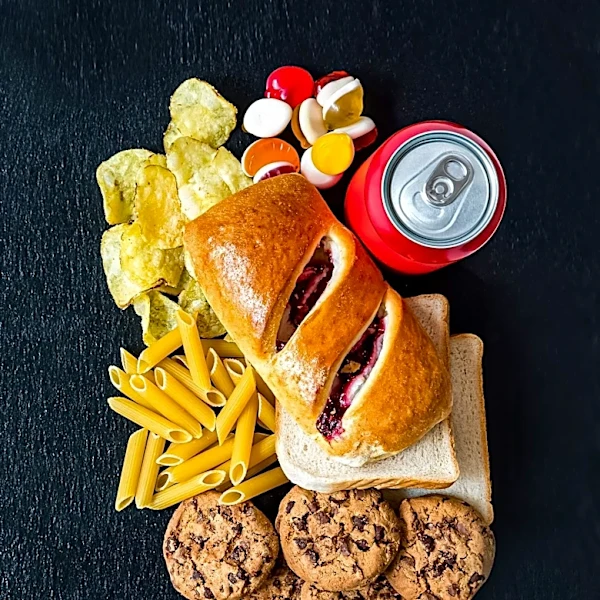
Ultra-Processed Foods Linked to Negative Health Outcomes and Mental Well-being
Ultra-processed foods, characterized by combinations of refined sugars, starches, fats, flavorings, colors, emulsifiers, and stabilizers, are designed to enhance texture, appearance, taste, and shelf life. These foods often contain ingredients not typically found in home kitchens and are generally high in calories but low in nutritional value. While some food processing methods like washing, chopping, cooking, freezing, fermenting, and canning can be beneficial, ultra-processed foods are distinct due to their industrial formulation. Research indicates associations between higher consumption of these foods and poorer mental health outcomes, including symptoms of depression and anxiety. Additionally, these foods are linked to cardiovascular conditions and weight gain. The design of ultra-processed foods makes them hyper-palatable, stimulating reward centers in the brain and encouraging overconsumption, partly because their softer texture allows for quicker eating before the body's fullness signals register.