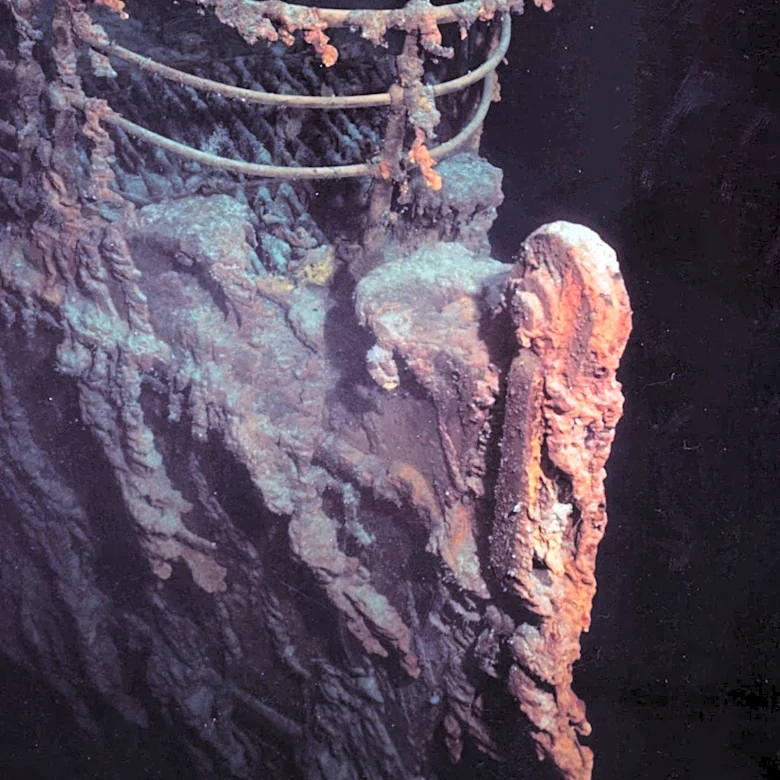
U.S.S. Cyclops Disappearance in 1918 Continues to Prompt Calls for Wreckage Search
The U.S.S. Cyclops, a U.S. Naval Auxiliary collier, mysteriously disappeared in March 1918 with 309 men on board while en route from Brazil to Baltimore, Maryland. The ship, designed to supply coal and fuel oil to the U.S. Navy fleet, was the largest of its kind at completion, measuring 542 feet in length. Its final mission involved transporting 10,500 tons of manganese ore, a cargo with a far greater density than its usual coal, which Rear Admiral David W. Taylor, Chief of the Bureau of Construction and Repair, suggested might have contributed to its loss due to shifting. The Cyclops had a documented history of severe rolling, with maximum rolls of 46 degrees to port and 50 degrees to starboard recorded in 1916. Despite the Navy officially declaring the ship lost and its crew deceased in 1918, the cause of its disappearance remains unknown, leading to ongoing calls for a search for its wreckage to ascertain the facts and honor the lost. The ship's crew included personnel from the Naval Auxiliary Service, ...