Explore
Discover daily
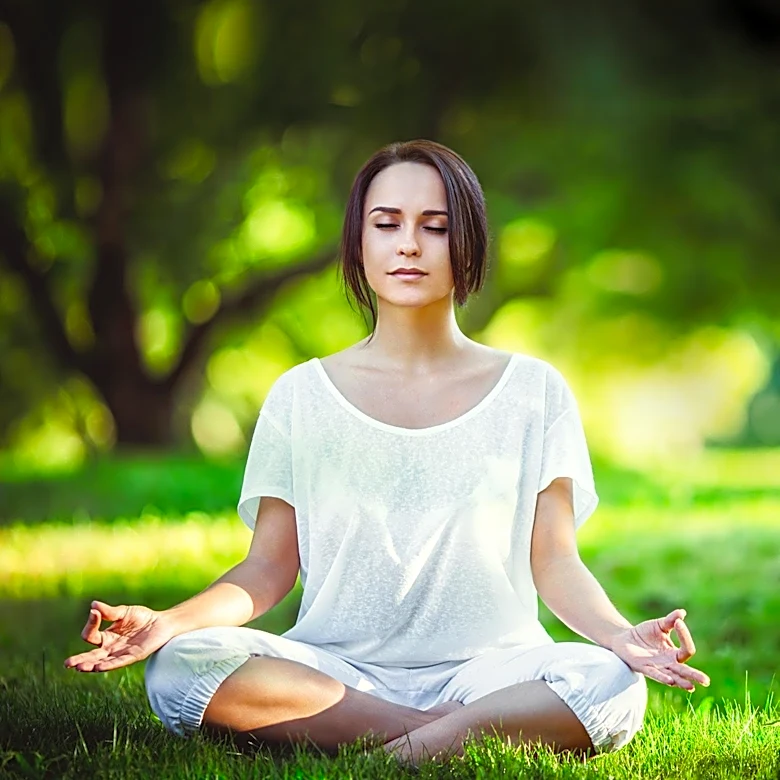
How Meditation Changes the Brain
Contemplative neuroscience, also known as contemplative science, is an evolving field of research dedicated to understanding the changes that occur...
Read More
Discover daily
Mindfulness Is About Facing Difficult Feelings Instead of Ignoring Them
The concepts of mindfulness and self-compassion, widely recognized in contemporary psychology and therapy, possess a profound history stretching ba...
Read More
Discover daily
How a Single Chemical Signal Can Affect Several Cells in the Brain
While much of our understanding of neurotransmission focuses on the precise, point-to-point communication within the synaptic cleft, there's anothe...
Read More
Discover daily
How Your Brain Can Forget Information While Strengthening Other Memories
While retrieval practice is widely celebrated for its ability to strengthen memory, there is a lesser-known phenomenon called retrieval-induced for...
Read More
Trendline
Johns Hopkins University Launches Global Intentional Spaces Design Challenge with $50,000 Prize
Johns Hopkins University Launches Global Intentional Spaces Design Challenge with $50,000 Prize
Read More
Discover daily
How Brain Cells Communicate With Each Other Using Chemical Messages
Chemical synaptic transmission is a fundamental process in the nervous system, enabling neurons to communicate by transferring signals from a presy...
Read More
Discover daily
Why We Sometimes Prefer Not Knowing the Truth About a Problem
The ostrich effect, a cognitive bias characterized by the avoidance of potentially negative but useful information, is not merely a behavioral quir...
Read More
Discover daily
Why Your Brain Needs Sleep Even When Your Body Feels Rested
While the entire body benefits from sleep, the brain's activity and restorative processes during this period are particularly profound and essentia...
Read More
Discover daily
How an Ancient Indian Sitting Posture Became a Global Symbol of Meditation
The Lotus position, known in Sanskrit as Padmasana, is a cross-legged sitting meditation pose that originated in ancient India. This foundational a...
Read More
Discover daily
Why People Have Used Hand Gestures for Meditation for Thousands of Years
Mudras, derived from the Sanskrit word meaning "seal," "mark," "sign," or "joyful gift," represent specific hand and finger positions used to estab...
Read More
Discover daily
Why Some People Lose Personal Memories Without Having Brain Damage
Dissociative amnesia is a memory disorder characterized by gaps in personal memory, often linked to psychological stress. It is frequently contrast...
Read More
Trendline
Podcast Episode Explores the Profound Impact and Necessity of Storytelling in Human Experience
Podcast Episode Explores the Profound Impact and Necessity of Storytelling in Human Experience
Read More