Scientists Uncover Genetic Mechanism Behind Butterfly and Moth Wing Patterns
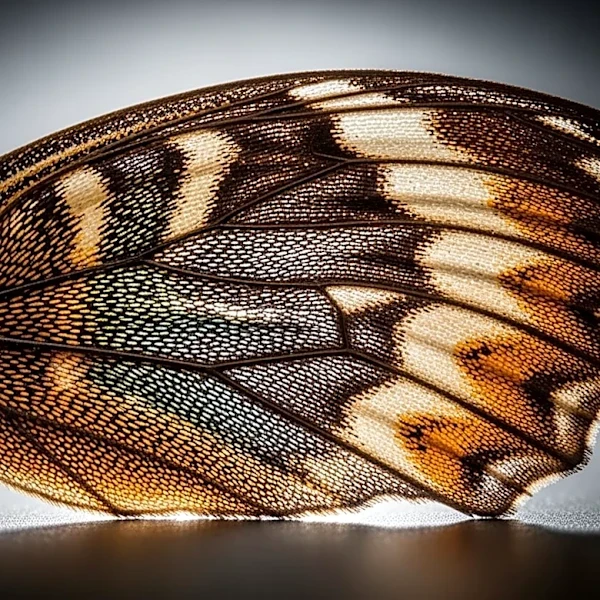
Scientists have discovered that distantly related species of Lepidoptera, which include butterflies and moths, have been using the same genetic mechanisms to produce identical wing color patterns for over 120 million years. This finding, published in PLOS Biology, challenges the notion of random evolutionary adaptation. The study focused on Müllerian and Batesian mimicry, where toxic species evolve similar warning patterns and non-toxic species mimic these patterns to avoid predation. Researchers identified two genes, ivory and optix, whose expressions are controlled by regulatory switches that produce identical color patterns across species. This discovery suggests that evolutionary change may follow more predictable pathways than previously assumed.