ESA Develops Artificial Eclipse Technology to Study Solar Corona
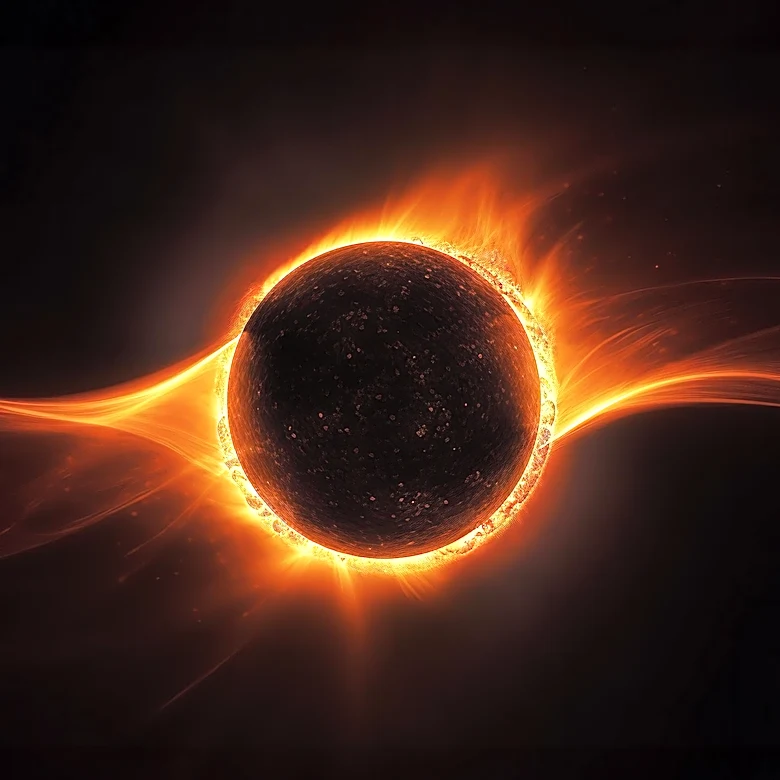
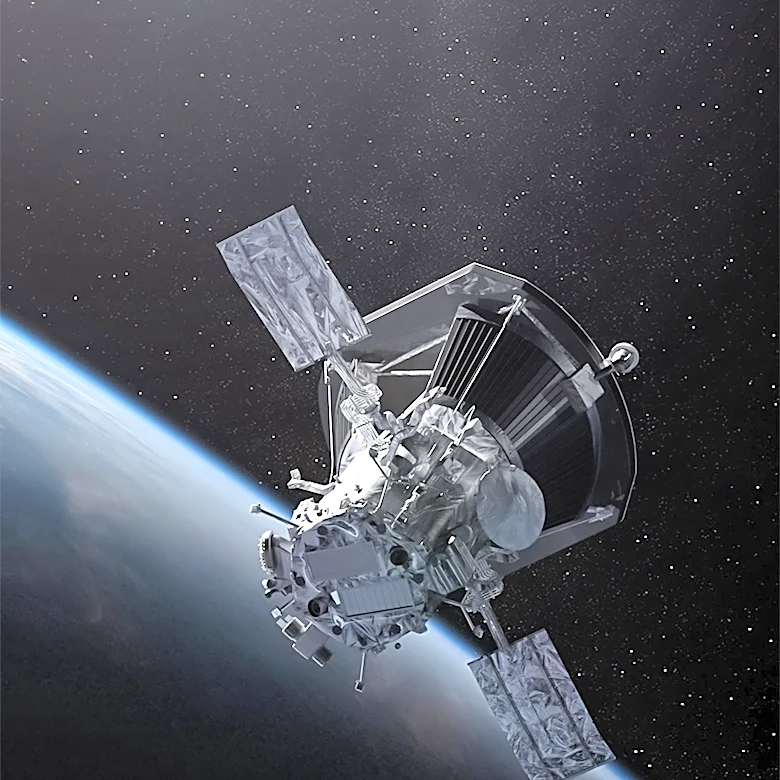
The European Space Agency (ESA) is advancing its efforts to study the solar corona by developing missions that create artificial eclipses. On August 12, 2026, parts of Europe will experience a total solar eclipse, providing a rare opportunity to observe the Sun's corona, which is usually obscured by the Sun's bright disc. To extend the observation window beyond the few minutes offered by natural eclipses, ESA has launched the Proba-3 mission. This mission involves two satellites flying in formation to simulate an eclipse, allowing for extended observation of the solar corona. The Proba-3 mission uses a coronagraph, a telescope with a disc to block the Sun, enabling detailed study of the corona. This technology is crucial for understanding space weather, which can impact satellite networks and communication systems.