New Study Challenges Inertness of Microplastics, Reveals Potential for Chemical Reactivity
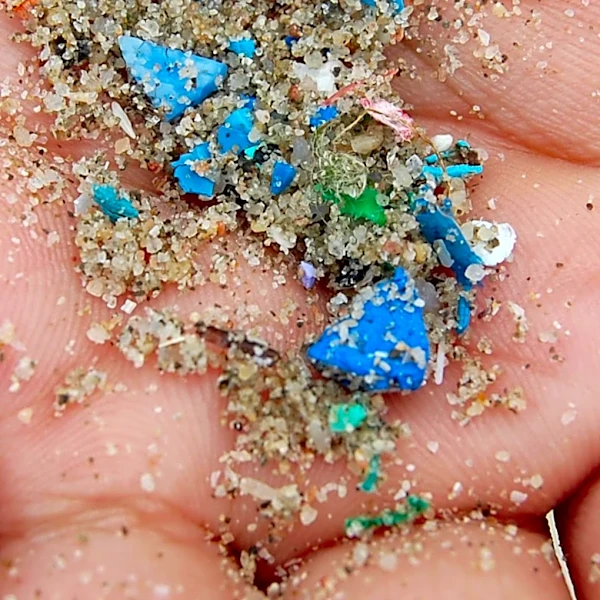
A recent study published in the scientific journal Nature, highlighted by Beyond Plastics, indicates that microplastics may not be as chemically inert as previously understood. Traditionally, chemists have considered plastic to be chemically stable due to the strong bonds within its polymer structure, which explains its persistence in the environment. However, researchers investigated whether the increased surface area of microplastics, relative to their size, could alter their chemical behavior. The study found that microplastics spontaneously generate hydroxyl radicals (•OH) on their surfaces when in contact with water. This discovery challenges the long-held belief that microplastics are chemically inactive. The scientists identified specific features at the plastic-water interface that facilitate the conversion of hydroxide ions (OH-), naturally present in water, into these reactive radicals. These experiments were conducted under controlled laboratory conditions and did not directly assess human healt...