NASA's Voyager Mission Continues Interstellar Exploration Decades After Launch
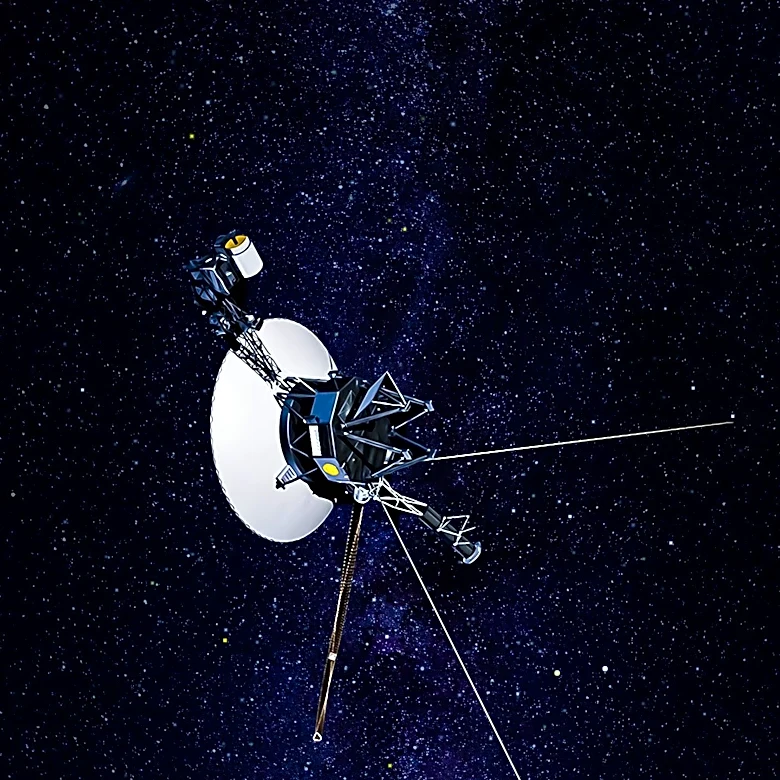
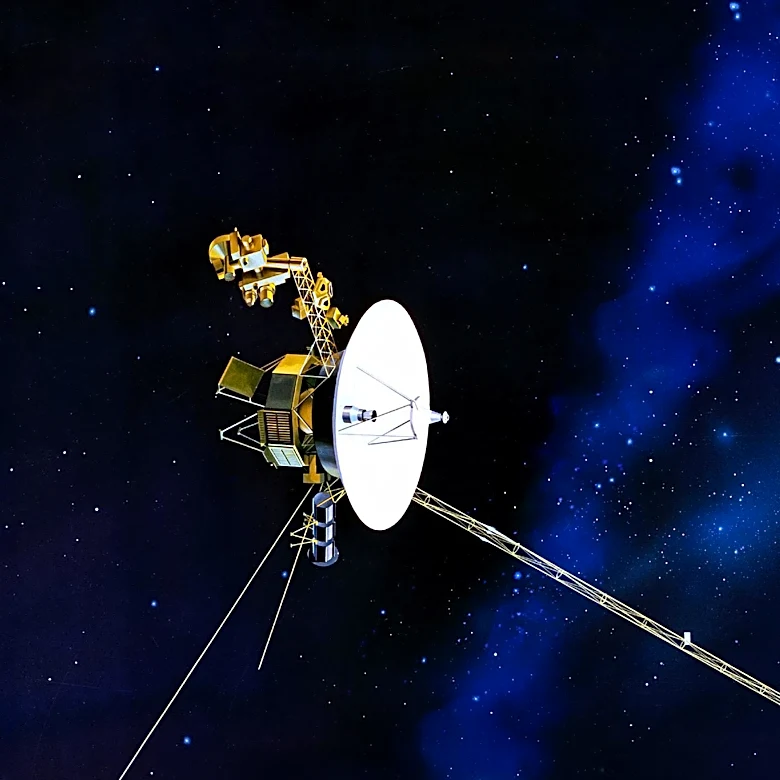
NASA's Voyager 1 and Voyager 2 spacecraft, launched in 1977, continue their historic journey, with Voyager 1 now being the most distant human-made object from Earth, having entered interstellar space in 2012, followed by Voyager 2 in 2018. Originally designed for a five-year mission to study the outer planets, the probes have far exceeded expectations, providing unprecedented data on Jupiter, Saturn, Uranus, and Neptune, along with their moons and rings. The missions discovered active volcanism on Io, evidence of an ocean on Europa, and new moons around the gas giants. Both spacecraft carry a 'Golden Record'—a message from humanity for any extraterrestrial life. Despite dwindling power, some instruments remain operational, sending back data from the heliosphere's edge and beyond, with engineers carefully managing power resources to extend their operational life.