Great Lakes: Inland Seas with Ocean-Like Weather Effects
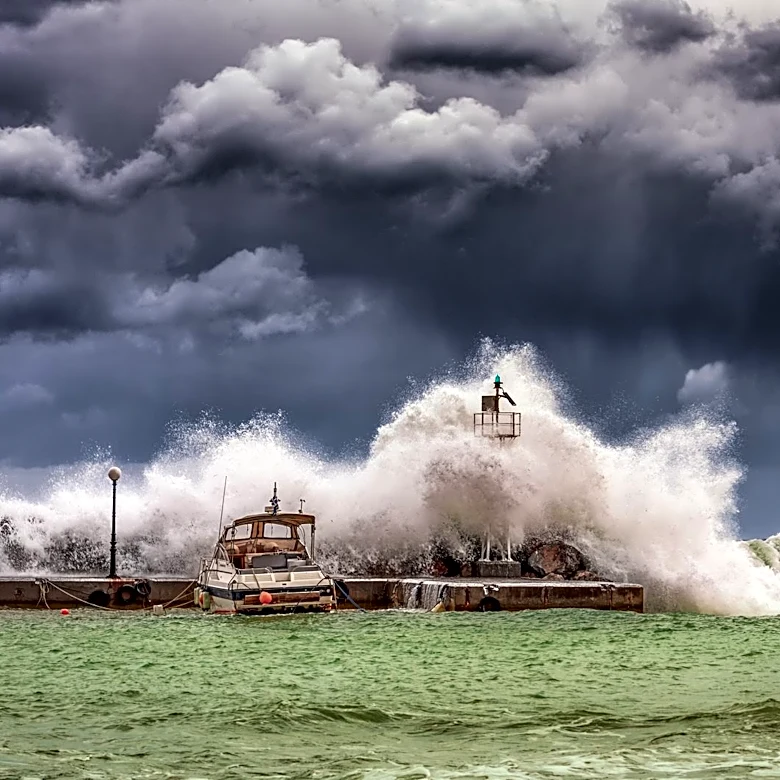
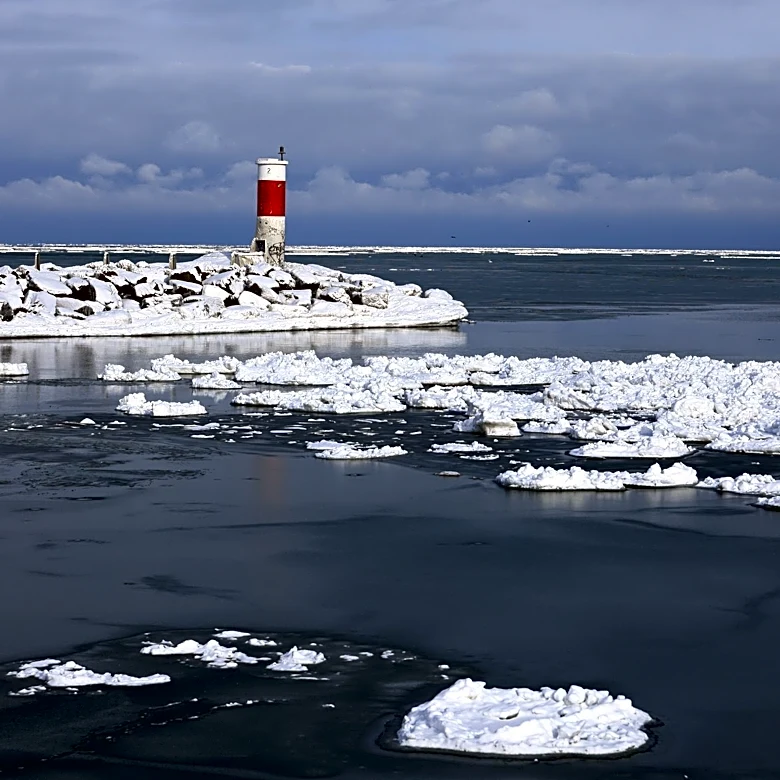
The Great Lakes, comprising Superior, Michigan, Huron, Erie, and Ontario, are often referred to as 'inland seas' due to their immense size and ocean-like physical processes. Covering approximately 94,250 square miles (244,106 km²) and containing 21% of the world's surface freshwater, these lakes influence regional weather patterns significantly. Their large surface area and heat-storage capacity lead to phenomena such as lake-effect snow, where cold air passing over warmer lake waters picks up heat and moisture, resulting in heavy snowfall downwind. Additionally, the lakes experience strong currents, seiches, and meteotsunamis, which are typically associated with marine environments. These features, combined with their role in maritime transportation, underscore their unique status as freshwater bodies with sea-like characteristics.